Nestled on the shores of Lake Geneva in the quiet Swiss town of Rolle stands the 14th-century Château du Rosey, the historic heart of one of the world’s most exclusive boarding schools. Founded in 1880 by Paul-Émile Carnal, Institut Le Rosey has educated generations of students aged 8 to 18 in an environment that blends old-world European elegance with a thoroughly modern, global outlook. Fully residential and co-educational since 1967, the school is often called the “School of Kings” for the extraordinary number of royal and aristocratic families who have entrusted their children to its care.
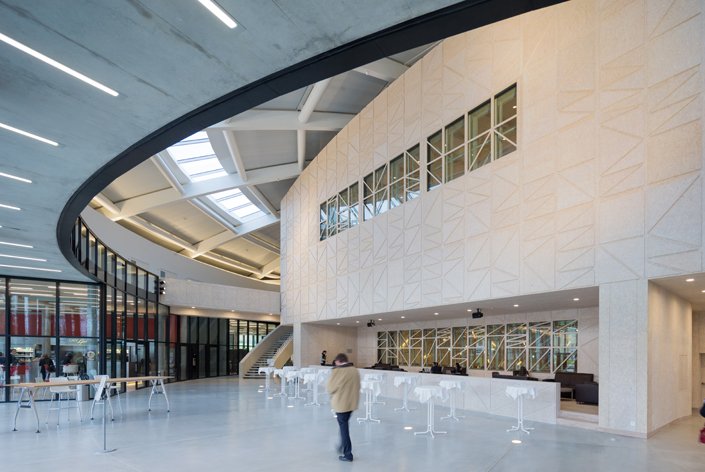
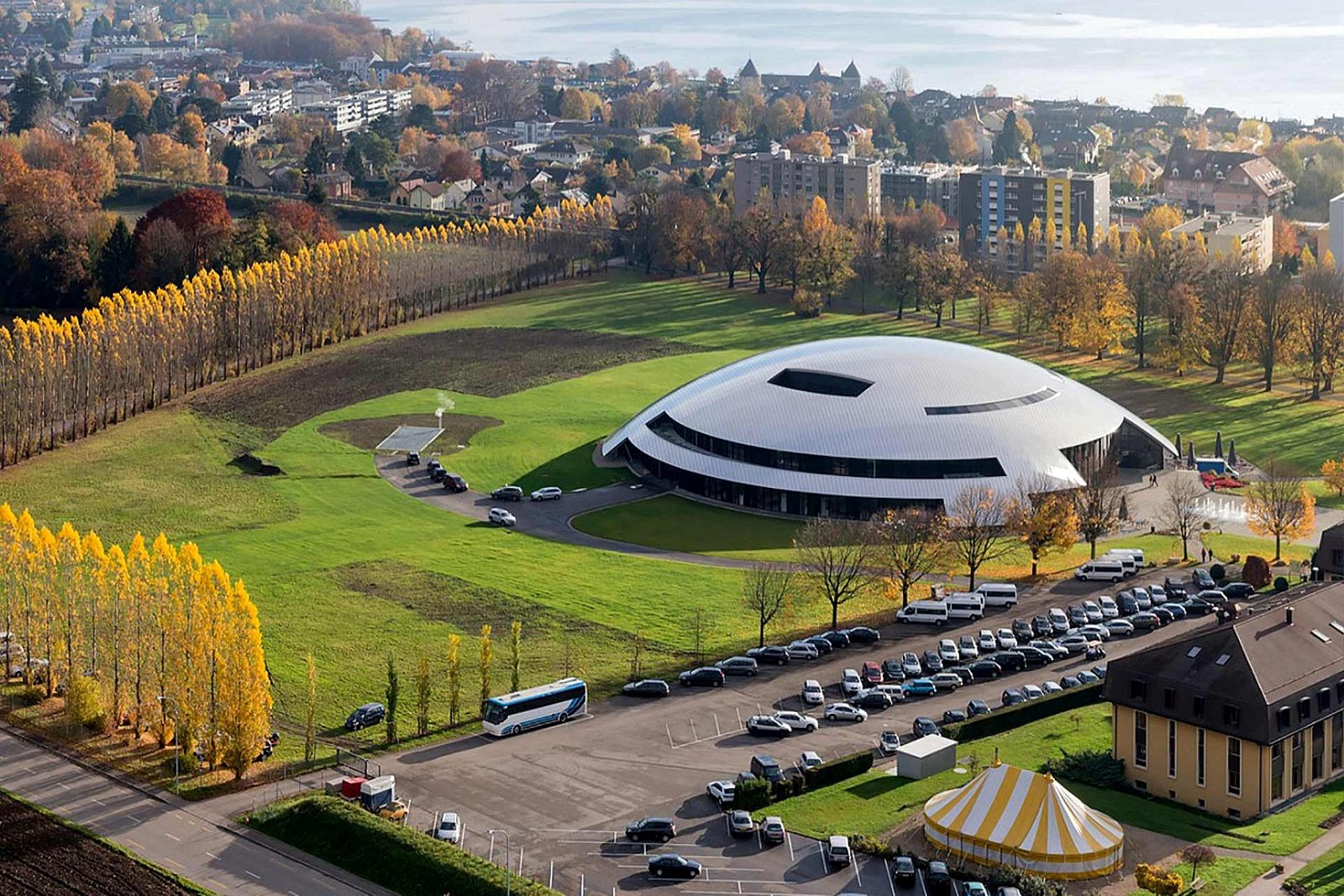
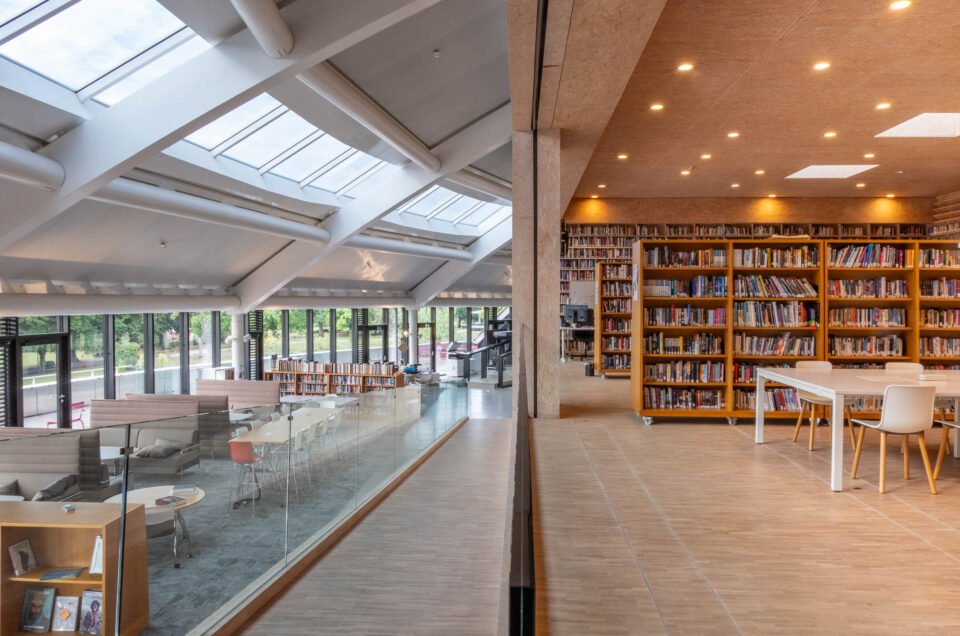
What sets Le Rosey apart from almost every other boarding school on the planet is its dual-campus tradition. For most of the year, students live and study on the 28-hectare lakeside estate in Rolle, with its historic château, modern academic buildings, sailing centre on the water, riding stables, sports fields, and the striking Paul & Henri Carnal Hall, a 900-seat performing arts venue. Then, each January through March, the entire community—students, teachers, staff, and even elements of school life—relocates to a collection of chalets in the alpine resort of Gstaad. This seasonal migration, begun in the 1910s to escape the winter fog of the lake, turns the academic year into a lived experience of two distinct Swiss landscapes and rhythms.
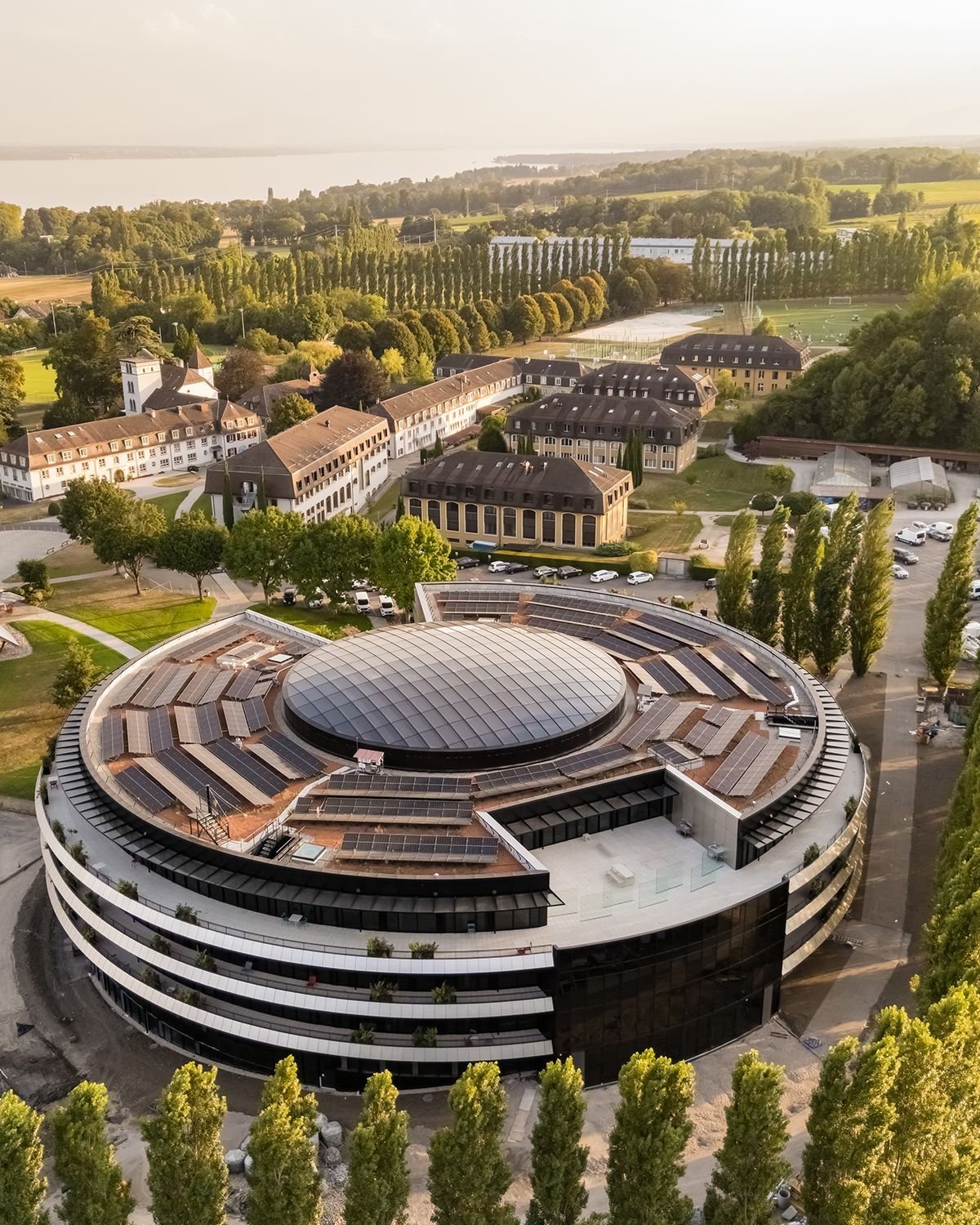
The student body itself is carefully curated for international balance. Roughly 400 to 450 pupils from more than 60 nationalities fill the campuses, with a longstanding rule that no single country may account for more than 10 percent of enrolment. Europeans typically make up a little over half the students, but the corridors and dining halls hum with languages and perspectives from across the Middle East, Asia, the Americas, and beyond. All are boarders; there are no day pupils in the senior years. The result is a true microcosm of the global elite, where friendships form across borders and cultural assumptions are constantly tested.
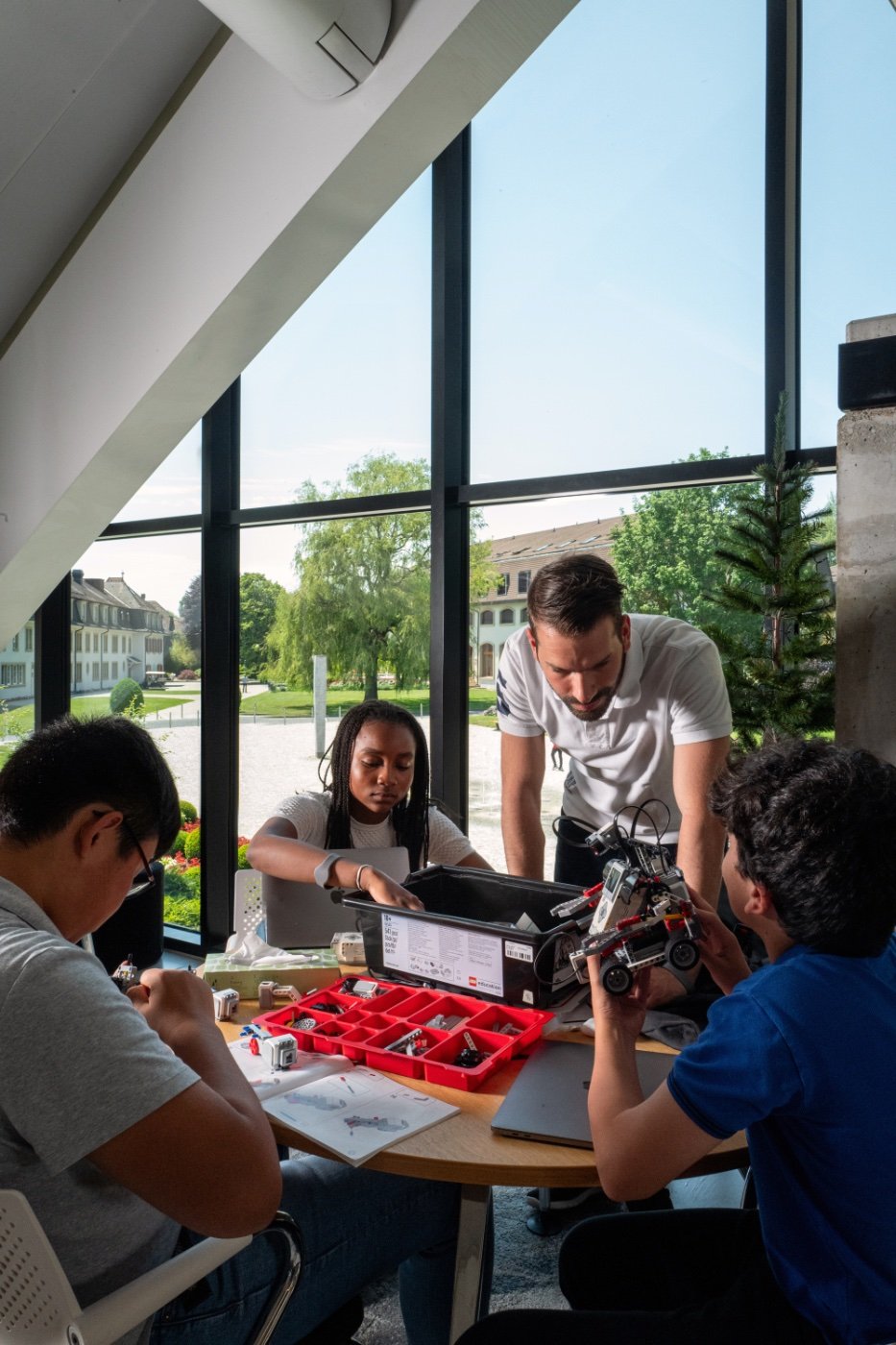
Academically, Le Rosey operates as a bilingual and bicultural institution. Students choose French or English as their primary language of instruction and pursue either the International Baccalaureate or the French Baccalaureate. Classes are small—often under ten students—and the teacher-to-student ratio is approximately 1:4. Beyond the two official languages, the school offers instruction in more than twenty others, from Arabic and Mandarin to Japanese and Russian, reflecting the diversity of its community. The curriculum demands intellectual rigour while deliberately cultivating the ability to think in both Anglo-Saxon and continental European modes.
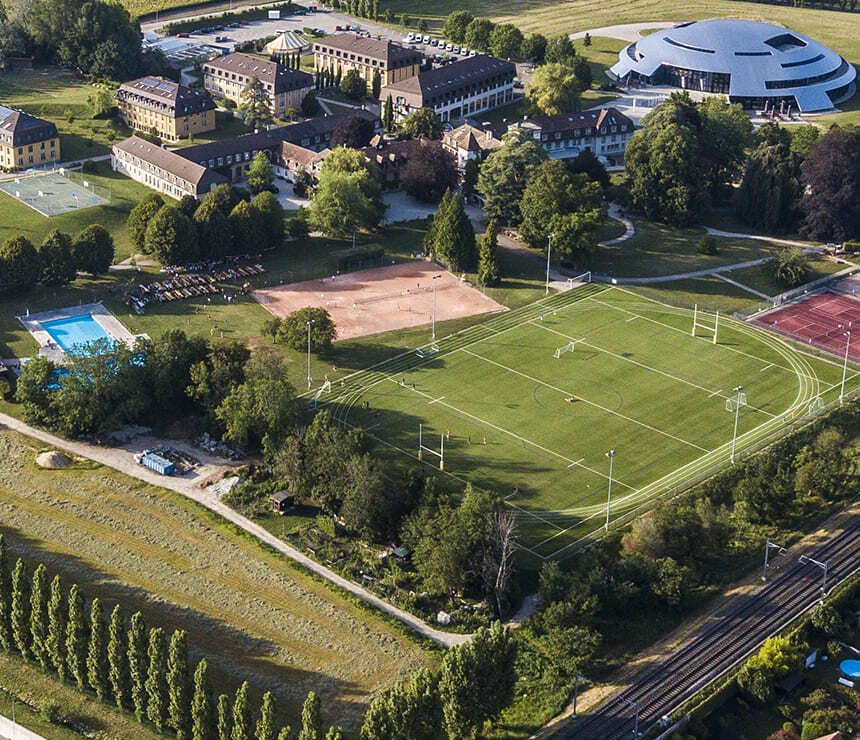
Yet academics form only one pillar of the Rosey experience. The school’s motto, Une École pour la Vie—“A School for Life”—signals a holistic philosophy. Students participate daily in an extensive programme of sports, arts, and outdoor pursuits. In Rolle they sail on Lake Geneva, ride, play tennis, and train in multiple team sports; in Gstaad the afternoons belong to skiing, snowboarding, and other mountain activities. Music, theatre, and visual arts are equally serious, with frequent performances and concerts that draw professional artists. Humanitarian projects in places such as Mali, Nepal, and Romania, along with environmental and cultural expeditions, further shape a sense of responsibility beyond the self. The school offers a luxurious experience, including a hearty buffet breakfast, sports activities like basketball and skiing, and hot chocolate breaks. Students also learn humility and work ethic by wearing formal attire for dinner and taking turns serving as waiters and staff.
The list of alumni reads like a cross-section of twentieth- and twenty-first-century power and influence. Among the “Anciens Roséens” are Mohammad Reza Pahlavi, the last Shah of Iran; King Baudouin and King Albert II of the Belgians; King Juan Carlos I of Spain; Prince Rainier III of Monaco; the Aga Khan IV; and members of the Belgian, Greek, and other royal houses. Later generations have included musicians such as Sean Lennon and Julian Casablancas of The Strokes, financiers, entrepreneurs, and figures from fashion and the arts. The alumni network, numbering more than 5,000, remains a powerful and lifelong connection for many.
Life at Le Rosey is structured yet refined. Boys and girls live on separate but closely linked campuses in both Rolle and Gstaad, under the guidance of residential staff who often remain with the school for many years. Meals, study periods, cultural events, and weekend activities create a dense communal fabric. The atmosphere mixes the formality of a traditional European boarding school with the openness required by such an international population. Discipline is real, but so is the emphasis on self-respect, respect for others, and the courage to meet challenges.
The cost of this education is among the highest in the world. Annual boarding and tuition fees for senior students have risen well above CHF 150,000 (N245 Million) in recent years, with additional charges for examinations, certain sports, and personal expenses. The school maintains that places are not for sale through donations or intermediaries; admission depends on academic potential, character, and the ability to contribute to the community. Scholarships exist for particularly deserving candidates through the school’s foundation, though they remain limited.
In an age when elite education is often criticised for reinforcing privilege, Le Rosey continues to market itself as something more enduring: a place that prepares young people not merely for university entrance but for a complex, interconnected world. Graduates regularly win places at leading universities in the United States, the United Kingdom, and continental Europe. More importantly, the school claims, they leave with a network of friendships that span continents and a lived understanding of cultural difference that no classroom alone can provide.
More than 140 years after Paul-Émile Carnal opened the doors of the Château du Rosey, the school still moves each winter from lake to mountain and back again. That annual migration remains its most visible symbol—an education measured not only in diplomas and destinations, but in the changing light on the water and the first snow in the Alps.
Beyond the monarchs and musicians already noted, Le Rosey’s roster of notable alumni further underscores its extraordinary concentration of power and privilege. The school educated multiple sons of Reza Shah, including the future Shah of Iran; members of the Rothschild, Rockefeller, and du Pont dynasties; Prince Amyn Aga Khan; Crown Princess Marie-Chantal of Greece and her sisters Pia Getty and Alexandra von Fürstenberg; Belgian kings Baudouin and Albert II; Spanish king Juan Carlos I; Monaco’s Prince Rainier III; and later figures such as financier Arpad Busson, model-agency founder John Casablancas, and The Strokes frontman Julian Casablancas. From Middle Eastern royalty and European aristocracy to American industrial heirs and contemporary cultural influencers, the “Anciens Roséens” form one of the most densely connected networks of global wealth and influence ever assembled by a single school.
What Is Known About Nigerian Attendance
Nigerian students at the school have drawn public attention in Nigeria, including in December 2025 when Aliko Dangote named Institut Le Rosey among Swiss schools attended by children of NMDPRA CEO Farouk Ahmed in a public dispute covered by BusinessDay. Nigerian students at the school are also frequently discussed in social media roundups such as TikTok.
How do you apply to Le Rosey?
Applicants, their primary parent, or legal guardian must fill out and submit the application form, which will ask for the candidate’s personal info, educational history, extracurriculars, ambitions, and academic goals. After it’s been submitted, the Admissions Department will contact the applicant or their guardian to schedule an entrance exam and interview.
They can also fill out the Registration of Interest. An admissions director will contact them after submissions, where they can discuss future possibilities and questions they have about the school.
What are the requirements for application?
If the application form is already filled out, those interested should also prepare the academic record and a medical report from a doctor. Le Rosey also requires a signed Academic Recommendation Form from the applicant’s headteacher or dean from their old school. These documents should be emailed to rosey@rosey.ch.
Is there an application fee?
Yes. Applicants must pay a non-refundable one-time fee of CHF 3,000 (approx. P179,000).
What happens after the application?
The admissions team will examine the applicant’s files as soon as they’re all complete and the application fee has been paid. Fair warning: Le Rosey receives an average of 400 applications each year, but only accepts 80 to 90 new students. The waiting list also depends on the applicant’s gender, age, and nationality due to the maximum quota of 10 percent per country or group of countries.