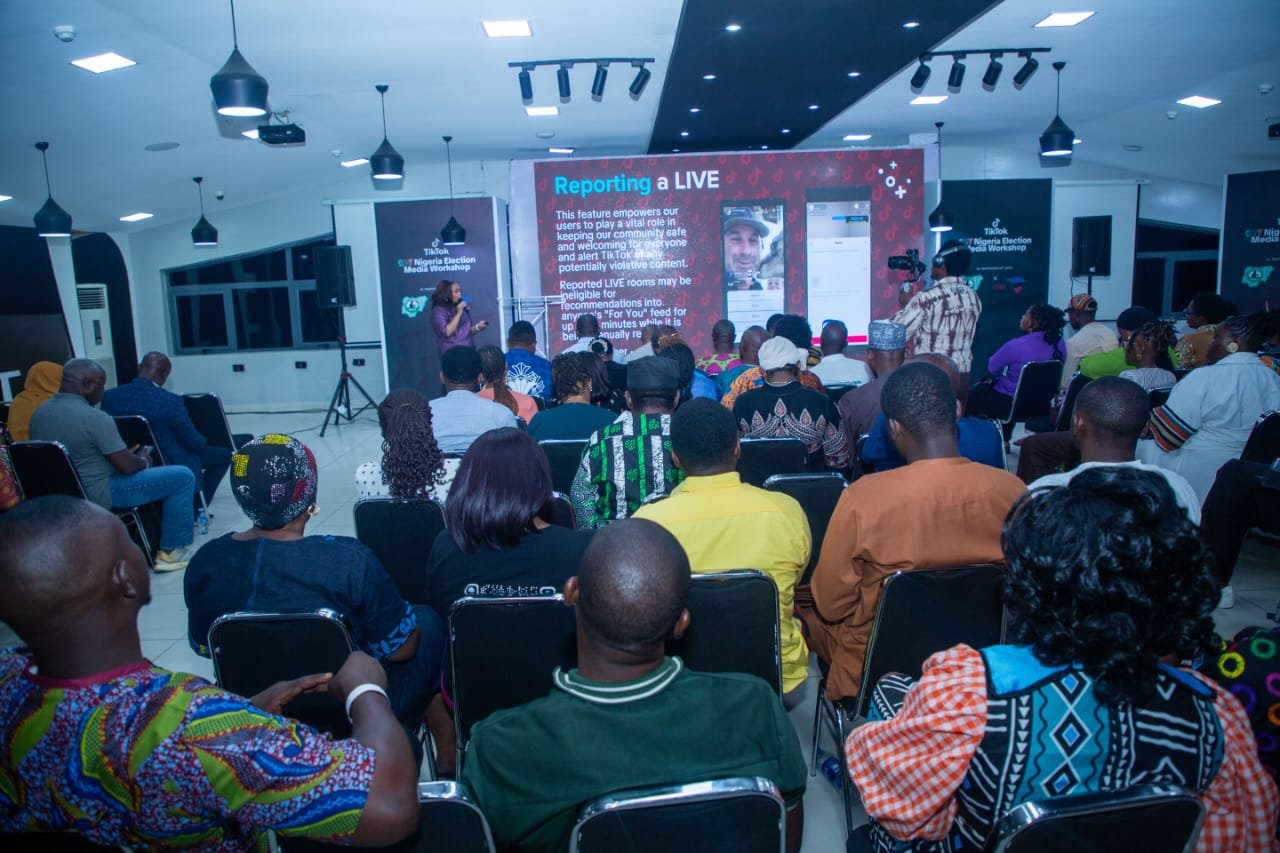
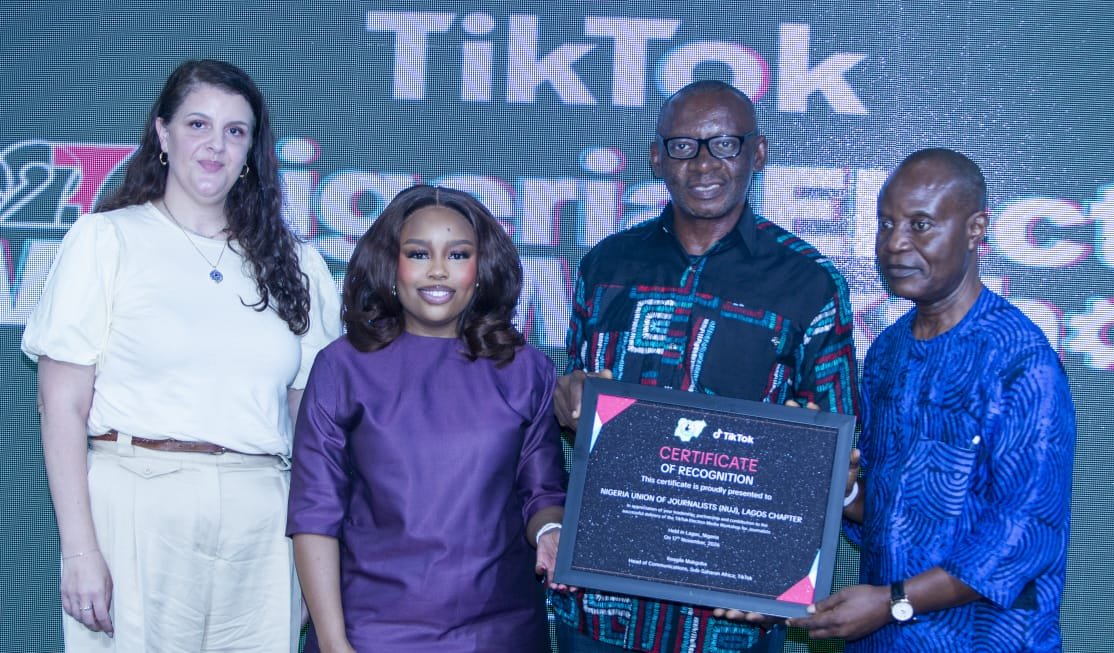
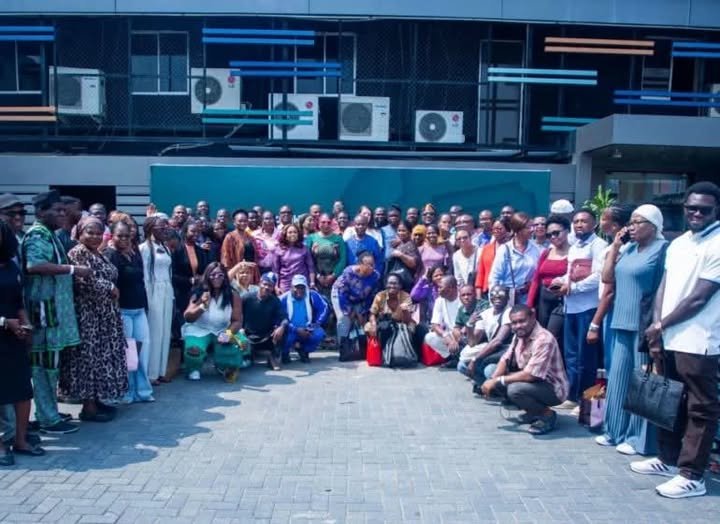
TikTok has stepped up efforts to tackle election misinformation ahead of Nigeria’s 2027 general elections, partnering with the Nigeria Union of Journalists (NUJ) and Code for Africa to train more than 300 journalists on responsible election reporting and information verification.
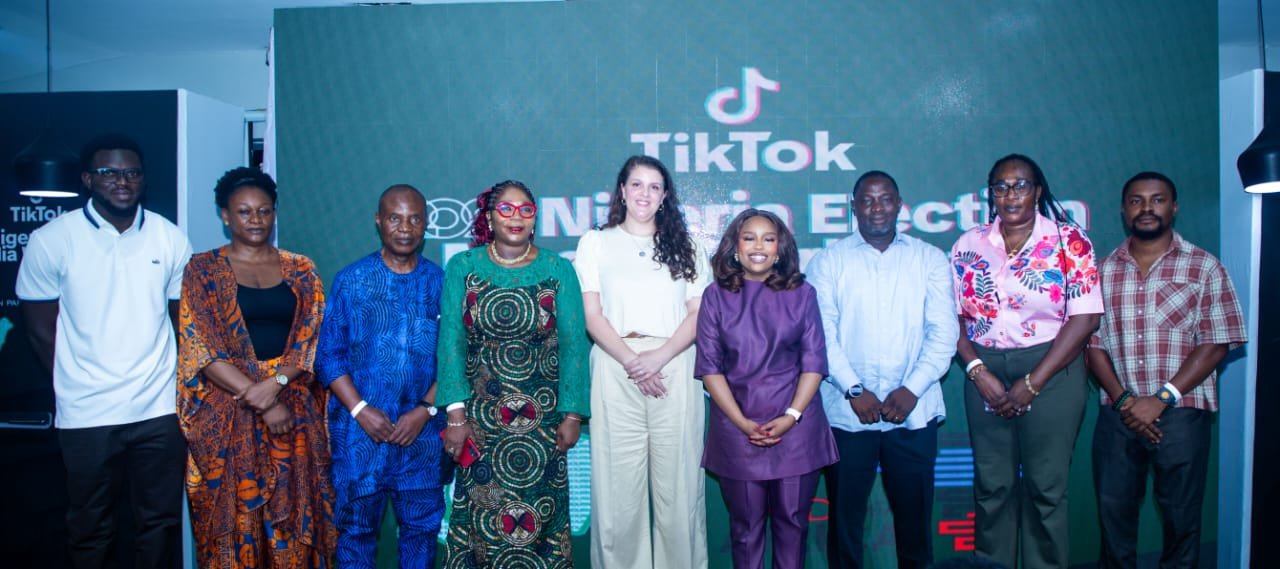
The training, held across Lagos, the Federal Capital Territory, Ogun and Oyo States, focuses on journalists’ understanding of TikTok’s content ecosystem, information verification and responsible election reporting.
Nigeria’s presidential and National Assembly elections are billed for 16 January 2027, while the Governorship and State House of Assembly elections will follow on 6 February.
The platform outlined measures to address election misinformation, deceptive behaviour and AI-generated content at the Lagos training.
TikTok said: “its preparations also include a partnership with the Independent National Electoral Commission (INEC), an in-app Election Centre and additional safeguards to tackle election-related misinformation.”
The Chairman of the NUJ Lagos State Council, Comrade Adewale Akodu, represented by the Vice Chairman, Philip Nwosu, said journalists had a responsibility to provide credible information, particularly during elections.
Akodu said” the training, delivered in partnership with TikTok Africa, would strengthen journalists’ understanding of digital platforms, responsible content creation, information verification and emerging trends in online journalism.”
He added that” continuous training would help media professionals improve the quality and credibility of their election coverage.”
In-app Election Centre
TikTok has also launched an in-app Election Centre in partnership with INEC and DUBAWA, a verification and fact-checking platform.
The centre provides information about voting, election dates and other electoral processes, as well as resources explaining how to identify misinformation.
It also directs users to an artificial intelligence media literacy hub containing guidance on identifying AI-generated material and using AI tools responsibly.
INEC’s Director of Voter Education and Publicity, Victoria-Eta Messie, said “access to credible information was important to voter education and public understanding of the electoral process.”
She said the initiative would assist in countering harmful misinformation, disinformation and fake news.
According to TikTok, it has established an election task force comprising specialists in election integrity, cybersecurity, misinformation, deceptive behaviour and platform safety.
The team works with moderation technology and local-language moderators to enforce the platform’s Community Guidelines during the elections.
TikTok’s Global Integrity Programmes Lead, Lorenzo Andreozzi, said “collaboration with electoral authorities, fact-checkers and civil society organisations was necessary because digital platforms could not address modern information challenges alone.”
He said TikTok would continue working with INEC, DUBAWA and other organisations familiar with Nigeria’s information environment.
The platform says it has applied election-integrity measures during more than 300 elections worldwide.
Under its existing policies, TikTok removes false claims about voting procedures and accounts impersonating politicians, electoral bodies or news organisations.
Where an election-related claim cannot be verified immediately, the platform may attach an unverified-information label, warn users before they share it and prevent the content from appearing on its For You recommendation feed.
TikTok said i”t works with more than 20 fact-checking organisations accredited by the International Fact-Checking Network globally, while Code for Africa supports its fact-checking efforts in Nigeria.”
According to the company,” more than 210,000 videos were removed between April and June 2026 for violating policies covering civic and election integrity, misinformation and harmfully misleading AI-generated content.”
It said more than 99 per cent of the affected videos were removed before users reported them. The company did not specify whether the figure applied exclusively to Nigeria or across its global operations.
TikTok also requires creators to label AI-generated content uploaded to the platform and uses content credentials, invisible watermarking and an AI-generated-content toggle to identify or label synthetic media.
The company said “more than five billion videos had been labelled through these tools and technologies, although it did not provide a Nigeria-specific breakdown.”
TikTok prohibits paid political advertising, including paid promotions by content creators for candidates or political parties.
It said accounts belonging to politicians and political parties could not advertise or access monetisation features. Such accounts are also required to activate two-step verification.
The platform, however, permits recognised election-management bodies to advertise voter-information messages, including details about registration, polling and participation.
TikTok also said “it removed more than four million videos in Nigeria for various violations of its Community Guidelines during the second quarter of 2026.”
According to the company, 98 per cent were removed before users reported them, while 91.7 per cent were taken down within 24 hours.
VON