As Nigerians grapple with low power supply, the Lagos State Government is planning to drive a large-scale migration of residents from dependence on grid electricity to solar-powered home systems, positioning renewable energy as a sustainable alternative for households and small businesses.
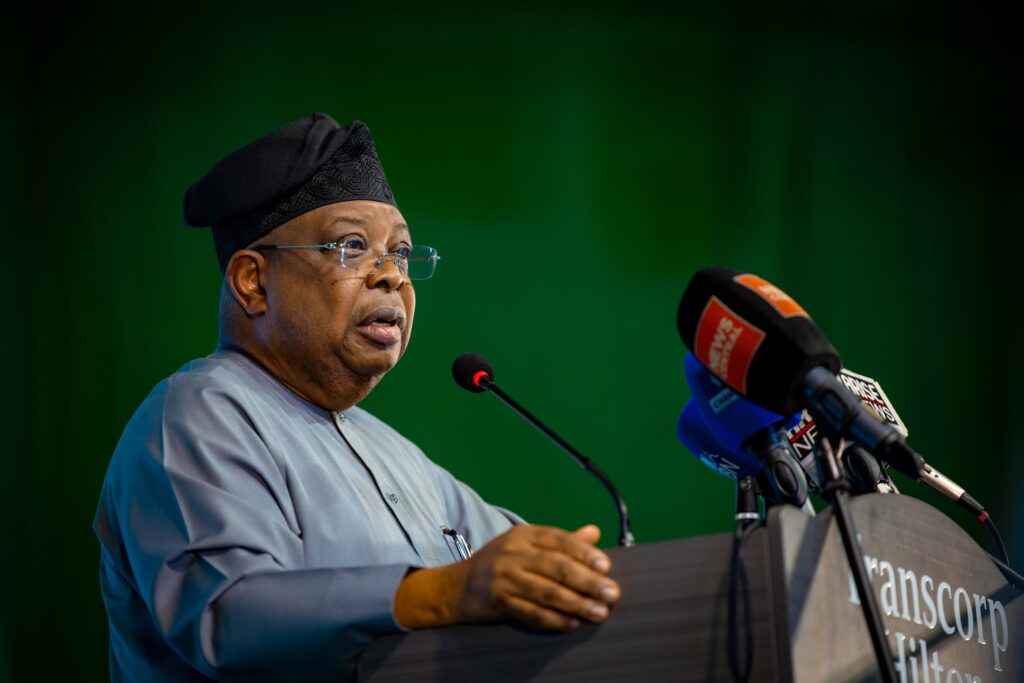
The state Commissioner for Energy and Mineral Resources, Biodun Ogunleye, said the initiative would enable residents to gradually move away from unreliable public power supply by adopting solar devices financed in a way similar to their existing electricity bills.
Speaking at the inauguration of a solar project for Radio Lagos and Eko FM in Ikeja on Tuesday, Ogunleye said residents would pay amounts similar to what they currently pay to their respective electricity distribution companies as subscriptions to own solar home systems.
He disclosed that about 100,000 units would be deployed to homes in the first tranche of the solarisation initiative, which is still being considered by the Governor Babajide Sanwo-Olu-led government.
Ogunleye explained that the proposed migration would not be abrupt but would be implemented through the phased deployment of solar home systems to residents, starting with the initial rollout of 100,000 units. This indicates that subscribers may eventually move away from the grid to adopt solar solutions, especially in areas with poor power supply.
He urged Lagosians to be on the lookout for the announcement of the project so they can subscribe. “Just calculate how much your electricity bill is, buy a solar device of that equivalent, and use it in your own house. Just be looking out. The first tranche is 100,000 units. So, get ready. Once we make the announcement, make your subscription,” he stated.
He noted that the model would allow users to own their solar systems over time while paying amounts comparable to their current electricity bills. “What are we saying? The same amount you pay for electricity bills is what you will be paying, but you will have a device that is going to be your own. So, when it is your own, you can expand it later. And you will be able to take care of homes and medium- and small-scale businesses,” Ogunleye said.
The commissioner acknowledged that there could be doubts about the viability of renewable energy due to past experiences, but said current realities with the national grid make alternatives necessary.
“The biggest problem we can give ourselves is when we allow our yesterday to influence our tomorrow and our future. Yes, renewable technologies that were first used in Nigeria may not have worked, but today, given the challenges we have with the grid, the product of the grid, and the influence on our pockets, it’s time for all to think outside the box,” he said.
He also stressed the need for energy discipline among users migrating to solar systems. “And then, our people need to be educated on what we want to do. Unlike public power, where you can just bring everything on and walk away, we must have a culture of switching off everything not in use. No need to stress the facility,” he told the staff of Radio Lagos and Eko FM.
He cited his personal experience to demonstrate the viability of solar power, noting that he had been powering his homes with solar for the past eight years.
“I’m not going to mince words. In the last seven to eight years, anywhere you call my house, where I wake up in the morning, and I sleep at night, they have all been powered by solar. I can take you to my house, and you will see that it has a solar installation. Everything in the house, the water heater and everything, is solar. At one point, we had to put in some controllers so that everything wouldn’t come on at the same time. But I tell you, it works,” he said.
The Chief Executive Officer of Alternatio Navitas Limited, Tayo Ogidan, noted that Nigeria’s inadequate electricity supply and heavy reliance on generators make off-grid solutions necessary. “It is hard to believe that Nigeria has been generating electricity since 1896. We currently push out between 4,000 MW and 5,000 MW, although the installed capacity is 13,000 MW. That’s for a population of 220 million people,” he said.
Ogidan added that millions of generators in homes and businesses highlight the urgent need for alternative energy sources. He said Nigeria is a top importer of diesel generators, stating, “We have one generator for every four people.”
He further highlighted the cost implications of reliance on private generation. “In fact, the diesel generator industry in Nigeria is worth over $5bn annually… Nigeria spends a staggering N16tn on generators, diesel, and petrol for self-generated electricity in 2023 alone,” he said, noting that grid instability continues to hamper reliable power supply.
Ogidan lamented that many households and businesses rely on generators for backup due to the country’s unstable electricity grid, which he said collapsed 222 times between 2010 and 2024.
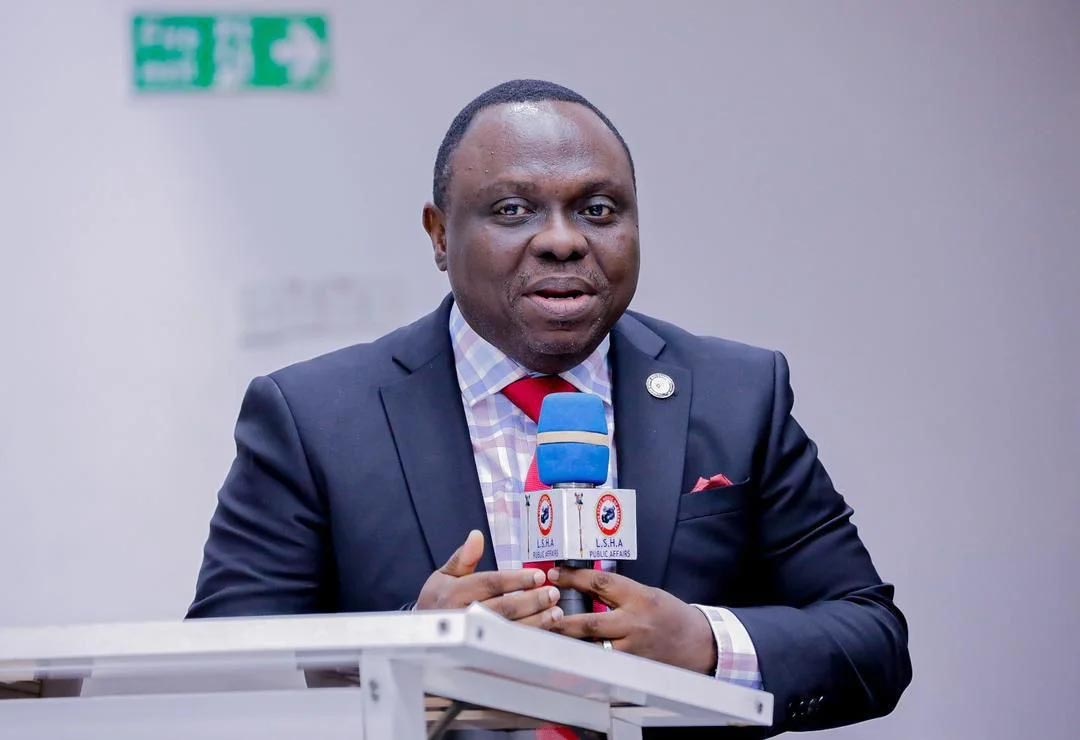
Also speaking, the Lagos State Commissioner for Information and Strategy, Gbenga Omotoso, said the government’s push towards solar energy was driven by the high cost of diesel-powered infrastructure.
“I discovered that we were spending about N800m per month to fuel generators that powered the streetlights. And the governor said it didn’t make any sense and that it was not sustainable, and that in any case, we were not getting value for the money,” he said.
Omotoso described the transition to solar at Eko FM as part of a broader technological shift, calling it a total transformation to renewable energy, a healthy energy source, and a move to a system that is simple, safe, and secure. He noted that adopting renewable energy would align Lagos with global technological trends, adding that the state is determined not to be left behind.
PUNCH