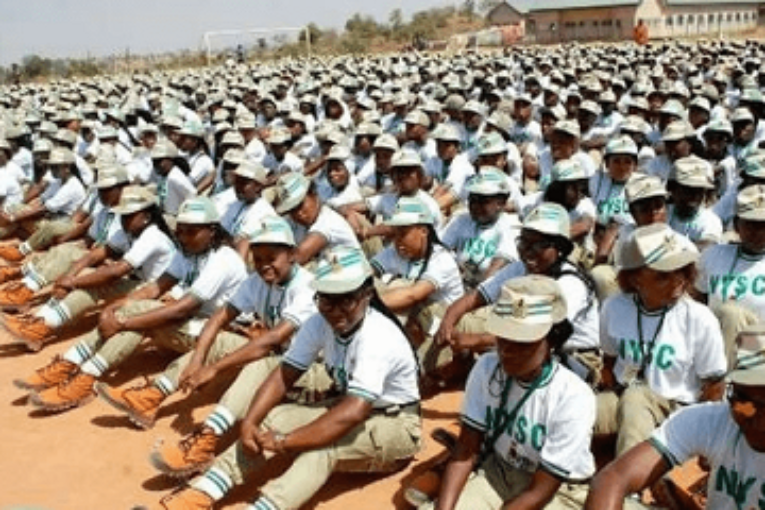
The National Youth Service Corps (NYSC) is facing a significant backlog of over 500,000 graduates awaiting mobilisation for the compulsory one-year service. According to news reports in 2025, the backlog includes 78,000 graduates from the 2022 cohort, 212,000 from 2023, 185,000 from 2024, and 65,000 newly registered graduates from 2025. The delay is attributed to the increase in the NYSC monthly allowance from N33,000 to N77,000, which has reduced the quota of institutions’ mobilisation.
The reduction in quota has led to a significant backlog, with universities and polytechnics admitting close to two million students annually, producing about 600,000 graduates. However, the NYSC can only mobilise around 240,000 to 350,000 corps members yearly. This has put a strain on institutions like Kaduna Polytechnic, Yaba College of Technology and universities like Nsukka and Ahmadu Bello University, which face great challenges in mobilising their graduates due to the limited quota.
Another issue of concern that can add more hurdles is; federal government has announced that graduates will no longer be mobilised unless they submit their final year projects and other academic works to the Nigeria Education Repository and Databank (NERD). This new requirement will add to the delay of youth mobilisation for the national service.
The delay in mobilisation has severe consequences, including blocking access to employment opportunities and exacerbating youth unemployment. The NYSC discharge certificate is a requirement for many employers, and delayed mobilisation means graduates are unable to access these opportunities.
The problem is beyond the control of institutions, and students should not blame their schools for the delay. The quota system needs to be revised to accommodate the increasing number of graduates. Until then, students will continue to face uncertainty and delays in their mobilisation.
The NYSC should consider increasing the quota for institutions, especially those with large numbers of graduates. This will help reduce the backlog and ensure that more graduates are mobilized for the compulsory service.
In the meantime, government should consider this problem and quickly find out the solution to this problems as it affects the economy, youths and academic activities of tertiary institutions.