Nigeria’s Iyinoluwa Aboyeji might not have the personal wealth of Elon Musk or Mark Zuckerberg, but his level of success as an African entrepreneur bears comparison with any Silicon Valley tech titan.
While still in his 20s, the Nigerian co-founded two “unicorns”, an industry term for companies that achieve a valuation of more than $1 billion.
By most counts, Africa has produced only seven unicorns compared with more than 700 in the United States.
Aboyeji, who has many of the trappings of a global tech boss – he is often known simply as “E” and he wants to build a city devoted to tech -says African entrepreneurs should have big ambitions.
But they cannot simply copy-paste from the playbooks of Zuckerberg or Musk.
“We admire these guys, they’re inspirations,” he told AFP over the phone from an investor conference in the United States.
“But when we’re looking for a path we don’t look to them because they’ve got a completely different reality from ours. You’ve got to find your own way.”
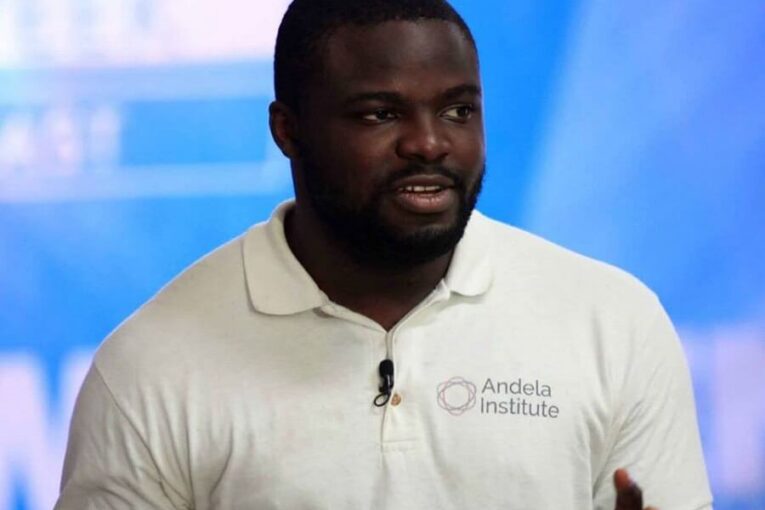
Now 32, Aboyeji now spends much of his time funding startups, having left his posts in both of his unicorns – fintech firm Flutterwave and training platform Andela, which counted Zuckerberg as an investor.
“Now I’m the coach, I take a backseat,” he said with a laugh. “I had my time in the spotlight, I played well.”
His Future Africa firm, one of the continent’s biggest startup funds, is preparing to launch a new round of investing.
But it comes as tech firms across the world have slashed workers, and venture capitalists have tightened their purse strings.
The global downturn has seriously hampered African tech startups.
They attracted more than $2 billion in funding during the first quarter last year but this year’s figure is less than half that amount, according to specialist publication The Big Deal.
The gloomy figures do not dim Aboyeji’s confidence.
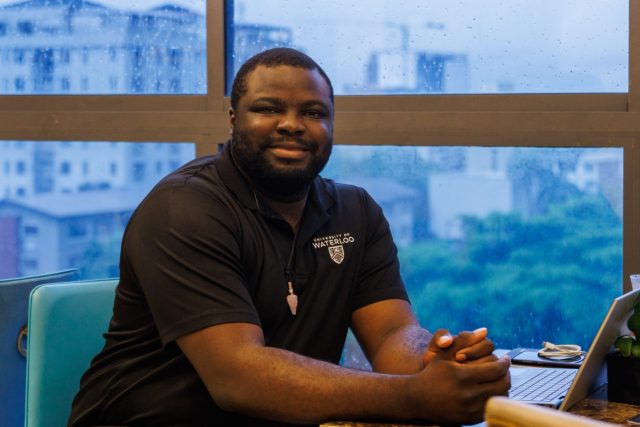
“It feels like the recession really unlocked people’s ability to build all of a sudden,” he said.
His firm, Future Africa, has invested more than $10 million in dozens of projects, many of them fintech startups trying to improve access to loans and banking services.
Future Africa helps them launch their ideas and get further funding.
But Aboyeji still has an eye for a grand scheme – he is helming a project to build a city devoted to tech talent.
“Think Delaware, but for Lagos,” he said, referencing the tiny US state with low taxes that hosts many international companies.
The project, called Itana, aims to house thousands of tech workers and give firms tax breaks and other incentives — with a likely budget of $500 million.
Silicon Valley libertarian ideologue Peter Thiel is among the backers.
Like similar attempts to create such “charter cities”, critics have said Itana will be a tax haven or an opt-out from state control.
Aboyeji and his partners have repeatedly denied that, insisting Itana is located within an established free trade zone and will respect Nigerian law.
Aboyeji is the son of a pastor and often talks about his religious convictions, describing himself as a “faith-driven investor”.
“I invest in companies that have redemptive qualities. They save people, they improve people’s lives,” he said.
“They transform communities just like my faith does.”
Aboyeji, who spent time at a university in Canada and praises the United States as “the capital of capital”, has a talent for teachable stories and has been a regular on the TED talk circuit for years.
He said the insight that led him to launch his investing career came a decade ago when he saw thousands of young Nigerians gathered in a football stadium trying to get permission to emigrate and get jobs.
“You’re not dealing with bums, you’re dealing with people who are desperate for opportunity,” he said.
He agonised over how investors could help to raise incomes in a country where more than half the population are under 18.
“It can’t be with agriculture, and it can’t be manufacturing. It is the internet,” he said, adding that the possibilities were limitless.
For example, African entrepreneurs can legitimately think about space travel, he said, especially if their ideas can help communications in the way that Musk’s StarLink mini-satellites have.
“Never say never,” he said. “But we’re not going to do space exploration or space tourism.
“I don’t think we’re there yet. I’ll leave that for my kids to contemplate.”
-AFP