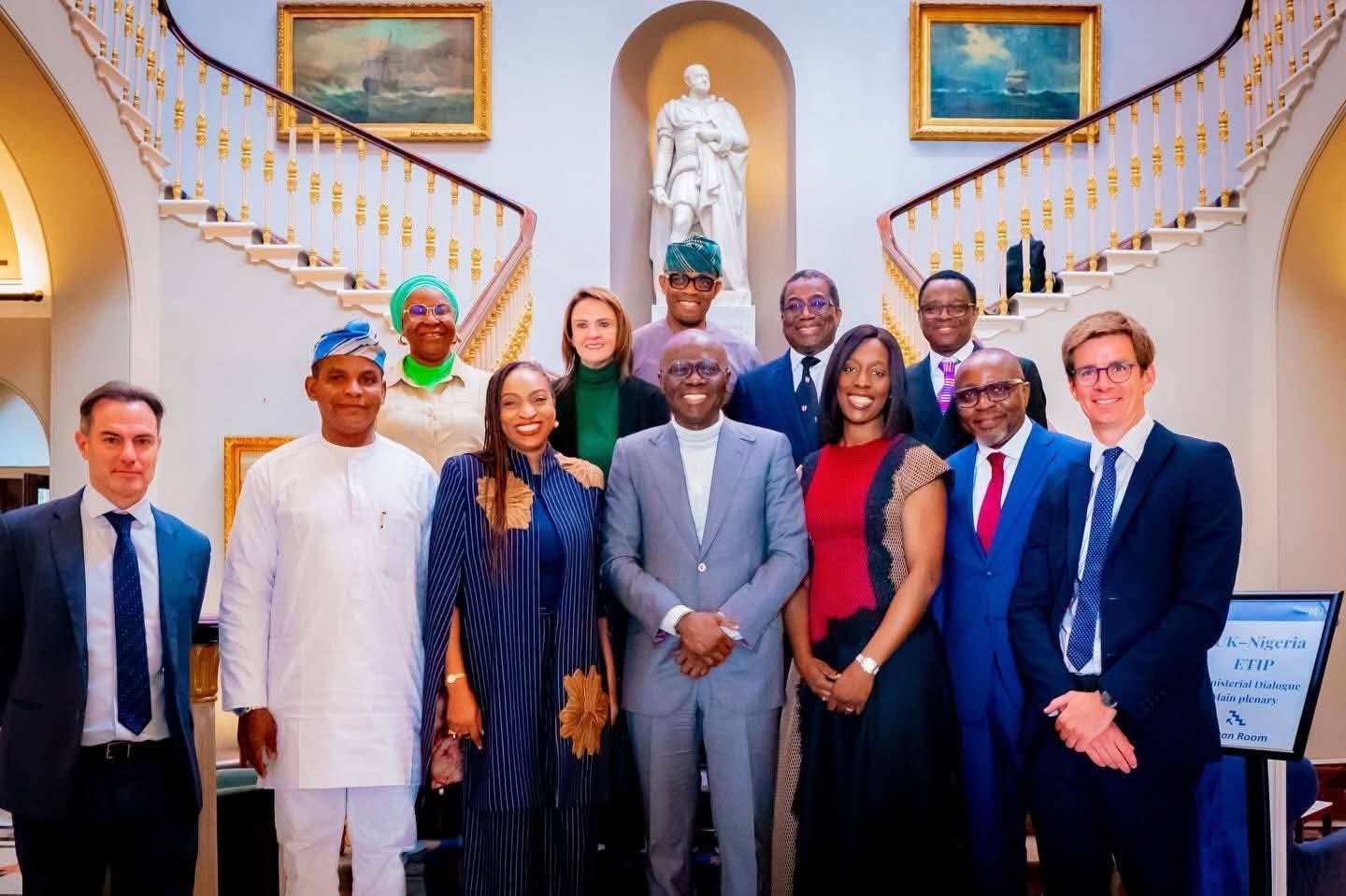
On a Thursday morning at Lagos House, Governor Babajide Sanwo-Olu signed a Memorandum of Understanding with Estar, a UK-based education-technology firm, to roll out curriculum-linked digital tools across the state’s public primary and secondary schools. The agreement is framed as the latest piece of Lagos’ “tech-in-classrooms” drive, but the governor laid out concrete goals rather than slogans.
For students, the MoU means tablets or low-cost laptops loaded with Estar’s platform will arrive in selected pilot schools first, then scale statewide over the next three academic sessions. The software aligns with Nigeria’s national curriculum but adds interactive modules: pupils tackle reading-comprehension passages that give instant feedback, work through scenario-based math problems that require decision-making, and join moderated forums where they practice communication and leadership skills. One pilot feature introduces basic artificial-intelligence concepts—students train simple models to sort waste types, for example—designed to demystify AI rather than teach coding.

Teachers are the hinge. Sanwo-Olu emphasized that the state will fund workshops for roughly 18,000 educators, showing them how to weave the dashboard into lesson plans instead of treating it as a gadget. Trainers from Estar will pair with Lagos’ own teacher-development centers; attendance will count toward annual certification points. The governor said the aim is “more engaging lessons,” specifically higher classroom participation and stronger comprehension scores on end-of-term assessments.
Implementation follows a staged map. Phase 1 (pilot, 150 schools) tests offline functionality for neighborhoods with spotty broadband; content syncs when devices reach school Wi-Fi. Phase 2 (800 schools) adds solar-charging carts for areas prone to outages. Phase 3 covers all 1,200 public schools, with monitoring by the Ministry of Education’s data unit. Estar supplies the platform and maintenance; Lagos covers devices, teacher training and local technical support staff.

The deal comes with built-in checks: quarterly learning-outcome reports, an independent audit after year one, and a clause allowing Lagos to adapt content if pilot data show gaps. For parents in Surulere or Ikorodu, the plain-language promise is similar: children get practice reading aloud to an app that corrects pronunciation, teachers get real-time insight into who’s falling behind, and the state gathers evidence—beyond anecdotes—about whether digital aids actually lift test scores and confidence.