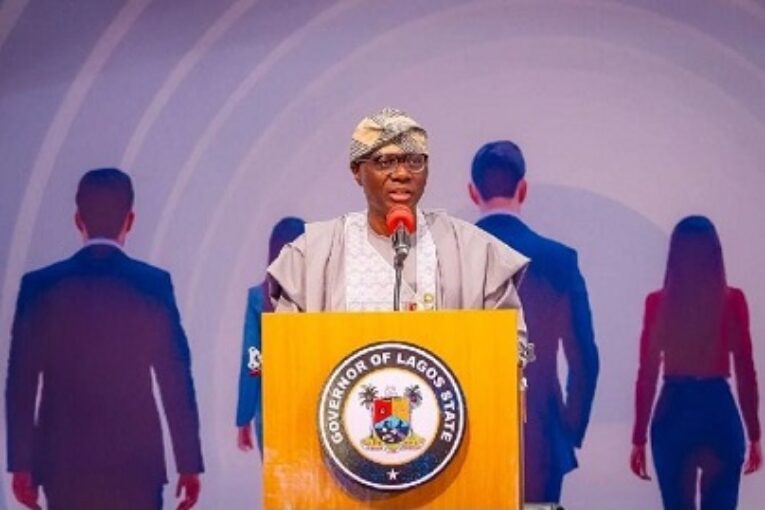
Lagos State Government has issued a stern warning to content creators, influencers and digital media producers over the use of children in online content that violates child protection laws.
It said offenders risked criminal prosecution.
The warning was contained in a joint statement issued by the Commissioner for Youth and Social Development, Mr. Mobolaji Ogunlende, and the Executive Secretary of Lagos State Domestic and Sexual Violence Agency (DSVA), Mrs. Titilola Vivour-Adeniy.
The government said the directive followed growing concerns about the portrayal and involvement of minors in digital content that could be harmful, exploitative or degrading, particularly on social media platforms.
According to the statement, children are a legally protected and vulnerable group under Nigerian law and must not be exposed to content that undermines their dignity, safety or psychological well-being.
“Involving minors in content that depicts abuse, sexual themes, harmful stereotypes or unsafe scenarios is not only unethical, but also contrary to existing laws designed to protect children,” the statement said.
The government stressed that creating, distributing or profiting from content that sexualises, exploits or endangers minors constitutes a criminal offence under several legal frameworks.
It cited sections 25(1) and 26 of the Lagos State Child’s Rights Law (2015), which prohibit exploitative child labour and all forms of child abuse, as well as sections 135–139 and 141 of the Criminal Law of Lagos State (2015), which deal with sexual offences against children.
The statement also referenced Section 23 of the Cybercrimes (Prohibition, Prevention, etc.) Act (2015), which criminalises child pornography and related online offences, and Section 24 of the same Act, which prohibits cyberstalking and online harassment. In addition, Section 32 of the Child’s Rights Act provides for up to 14 years’ imprisonment for the sexual abuse or exploitation of a child.
Reaffirming the state’s position, Lagos State Government said it maintained zero tolerance for all forms of child abuse and would work closely with law enforcement agencies to ensure strict compliance with existing laws.
“We will continue to engage relevant stakeholders and take necessary action to address violations of child protection laws when they occur,” the statement said.
Content creators were urged to familiarise themselves with applicable legal provisions and to prioritise the safety, dignity and overall well-being of children in all forms of creative expression.
The government also encouraged the public to report cases of child abuse through designated reporting channels provided; stressing that child protection was a shared responsibility.