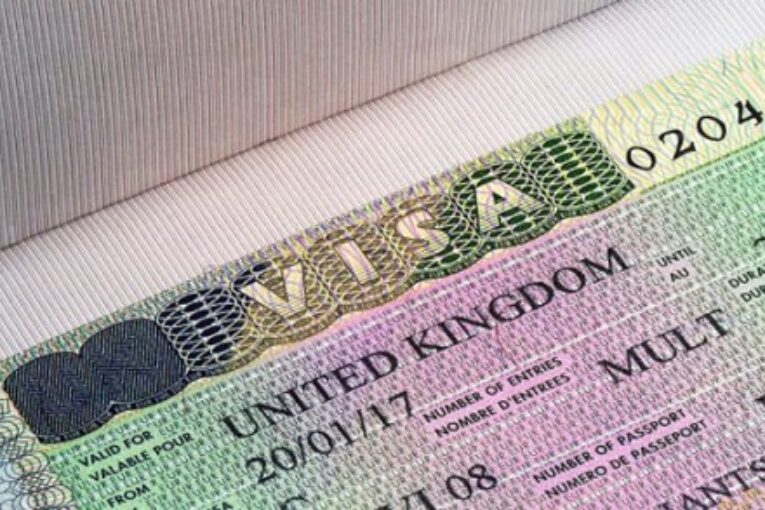
The United Kingdom government has activated an “emergency brake” on study visas for nationals of Afghanistan, Cameroon, Myanmar and Sudan following a sharp rise in asylum applications from individuals who initially entered the country through legal visa routes.
The decision, announced by the UK Home Office, will end sponsored study visas for nationals of the four countries and suspend skilled worker visas for Afghan citizens. The changes will be implemented through an amendment to the Immigration Rules on March 5 and will take effect from March 26.
According to the Home Office, the unprecedented measure was introduced after a surge in asylum claims from people who entered the UK legally before later seeking protection.
Data released by the government shows that 133,760 people have claimed asylum after arriving through legal routes in the past five years. Since 2021, nearly 135,000 individuals entered the UK on student or other visas before lodging asylum claims.
Home Secretary Shabana Mahmood disclosed that asylum claims from legal entry routes now account for nearly 40 per cent of all applications. In 2025 alone, such claims made up 39 per cent of the 100,000 asylum applications recorded.
Asylum applications by students from the four affected countries reportedly increased by more than 470 per cent between 2021 and 2025. Claims from Myanmar rose sixteen-fold during the period, while those from Cameroon and Sudan increased by over 330 per cent. Between 2021 and the year ending September 2025, Afghan asylum claims equalled 95 per cent of the study visas issued to Afghan nationals.
The government also noted that the number of Afghans on work visas who later claimed asylum now exceeds the number of visas issued. Although student asylum claims dropped by 20 per cent in 2025, individuals who arrived on study visas still account for 13 per cent of all current asylum cases.
Many asylum seekers who entered legally are being accommodated at public expense. The Home Secretary said asylum support costs exceed £4 billion annually, with nearly 16,000 nationals from the four countries currently supported by taxpayers, including more than 6,000 housed in hotels. She added that the government has reduced the asylum support bill by £1 billion since taking office.
A spokesperson for the Home Office said the government was clamping down on visa abuse to preserve Britain’s long-standing tradition of supporting those genuinely in need.
The announcement coincides with wider asylum reforms that took effect this week. Under the new rules, refugee status for adults and their accompanying children will be reviewed every 30 months. Previously, refugee status was granted for five years before individuals could apply for indefinite leave to remain and later citizenship.
Refugees from countries deemed safe will be expected to return home, while unaccompanied children will continue to receive five years’ leave pending a long-term policy review. Those already in the UK will be assessed under the previous system.
The government confirmed that, from March 2, the standard period of refugee protection has been reduced to 30 months as part of efforts to curb so-called pull factors linked to small boat crossings. Officials said the reforms draw inspiration from Denmark’s migration model, often described as one of the strictest in Europe.
Mahmood is expected to introduce fresh legislation this week and deliver a policy speech at the Institute for Public Policy Research, outlining how the changes align with British values.
“Britain will always provide refuge to people fleeing war and persecution, but our visa system must not be abused,” she said. “That is why I am taking the unprecedented decision to refuse visas for those nationals seeking to exploit our generosity. I will restore order and control to our borders.”
The measures follow a tougher diplomatic stance by the Prime Minister aimed at ensuring compliance with migration rules. In November, Mahmood warned that visas for Angola, Namibia and the Democratic Republic of Congo could be suspended unless those governments cooperated in accepting the return of illegal migrants. Subsequent negotiations reportedly led to the resumption of return flights.
The government has pledged to expand capped safe and legal migration routes once stability is restored to the asylum system. Since 2021, the UK has resettled more than 37,000 Afghans under two schemes, while 190,000 humanitarian visas were issued in 2025 alone.
Between 2010 and 2025, Britain ranked sixth globally in resettling refugees referred by the UNHCR.
Migration remains a key political issue in the UK, with the Reform UK gaining ground in recent opinion polls.