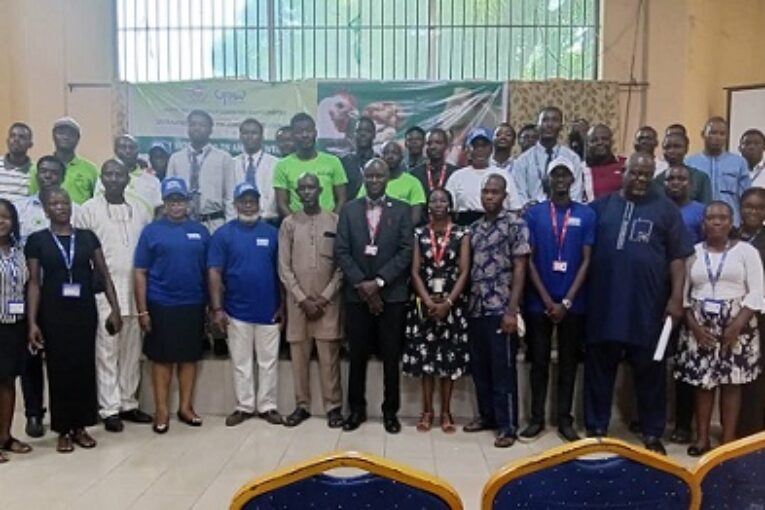
The College of Agriculture, Engineering and Science at Bowen University, Iwo, Osun State, has called for the adoption of humane husbandry practices to improve productivity in animal production.
The call was made during a workshop organised by the college with the theme “Painless husbandry and positive animal welfare,” held recently. The programme was hosted by Professor Olufemi Alabi, a senior academic staff member of the college, and attracted stakeholders in animal welfare and livestock production.
The workshop, Nigerian Tribune observed, provided a platform for discussions and exchange of ideas aimed at improving livestock management practices in Nigeria.
The event was organised in collaboration with the Universities Federation for Animal Welfare (UFAW), United Kingdom, and highlighted the growing recognition of humane animal treatment, responsible husbandry, and science-based approaches to animal welfare at both local and international levels.
In his welcome address, Prof. Olufemi Alabi outlined the role of animal welfare in national development. He said attention should go beyond preventing pain to promoting positive welfare, including animal comfort, good health and enriched living conditions. He noted the economic and productivity benefits of good welfare practices and stressed the importance of research collaboration, advocacy and outreach to promote humane husbandry across the country.
The guest speaker from the United Kingdom, Dr Stephen Wickens of UFAW, spoke on the meaning and key aspects of animal welfare and urged animal handlers to prioritise the general wellbeing of animals. He also briefed participants on the activities of the Universities Federation for Animal Welfare since 1926 and opportunities available through the University Link Scheme, of which Prof. Alabi is a member.
Another guest speaker, Dr S. Adewale Alarape from the Faculty of Veterinary Medicine, University of Ibadan, focused on practical ways to adopt painless husbandry methods within Nigerian livestock systems. He explained the five freedoms recommended for animals to achieve positive welfare, with emphasis on freedom from pain.
He said these freedoms can be achieved through proper housing, good feeding, freedom of movement, quality healthcare and avoidance of practices such as castration, teeth clipping, debeaking, tail docking, hoof trimming, dehorning, caging and tethering. He also called for continuous training and capacity building to improve animal welfare practices.