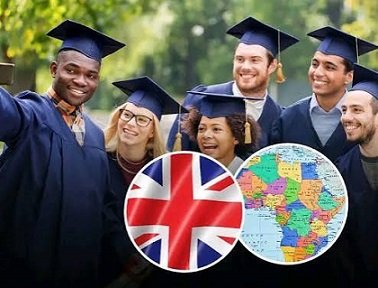
A proposal by Britain’s Reform UK party to abolish the country’s Graduate visa route could affect thousands of African students who use the scheme to remain in the UK after completing their university education, including more than 20,000 Nigerians who received extensions under the programme in the latest year.
Party leader Nigel Farage announced on November 26 that a Reform UK government would scrap the route and give international graduates just 30 days after completing their studies to secure skilled, well-paid employment that meets a proposed economic contribution test. Those who fail would be expected to leave the country.
According to the UK Home Office’s immigration statistics for the year ending September 2026, Nigerians received 20,478 Graduate route extension grants, making them the third-largest beneficiary group after Indians and Pakistanis. The figure represents grants, not necessarily 20,478 unique individuals.
The proposal remains a party pledge, not an existing government policy. The current Labour government has separately announced that the Graduate visa period for most bachelor’s and master’s graduates will fall from two years to 18 months for applications made from January 1, 2027.
Africa’s growing appetite for overseas education
The debate comes as more Africans seek opportunities outside their home countries, driven by a combination of limited university capacity, employment pressures, economic inequality and demand for internationally recognised qualifications.
Beyond the immediate impact on graduates already in Britain, the proposal comes as Nigeria remains Africa’s largest source of international students. Education research organisation QS estimated in November 2026 that about 126,000 Nigerians were studying abroad in 2024, forming part of a wider African student population of more than 800,000.
The pressures begin at home. UNESCO estimates that higher education enrolment in sub-Saharan Africa stands at just 9%, compared with a global average of 38%. It also reports that 11 million young Africans enter the labour market annually, while more than 40% lack the skills needed for employment.
Beyond education and jobs, conflict, political instability, climate-related disasters and food insecurity continue to displace people across parts of the continent. The International Organization for Migration says economic disparities, rapid population growth and youth unemployment all shape African migration patterns.
However, student mobility should be distinguished from forced displacement: many Africans pursue overseas education for better academic opportunities, career prospects and international exposure.
BusinessInsiderAfrica