By Abiodun Caston-Dada
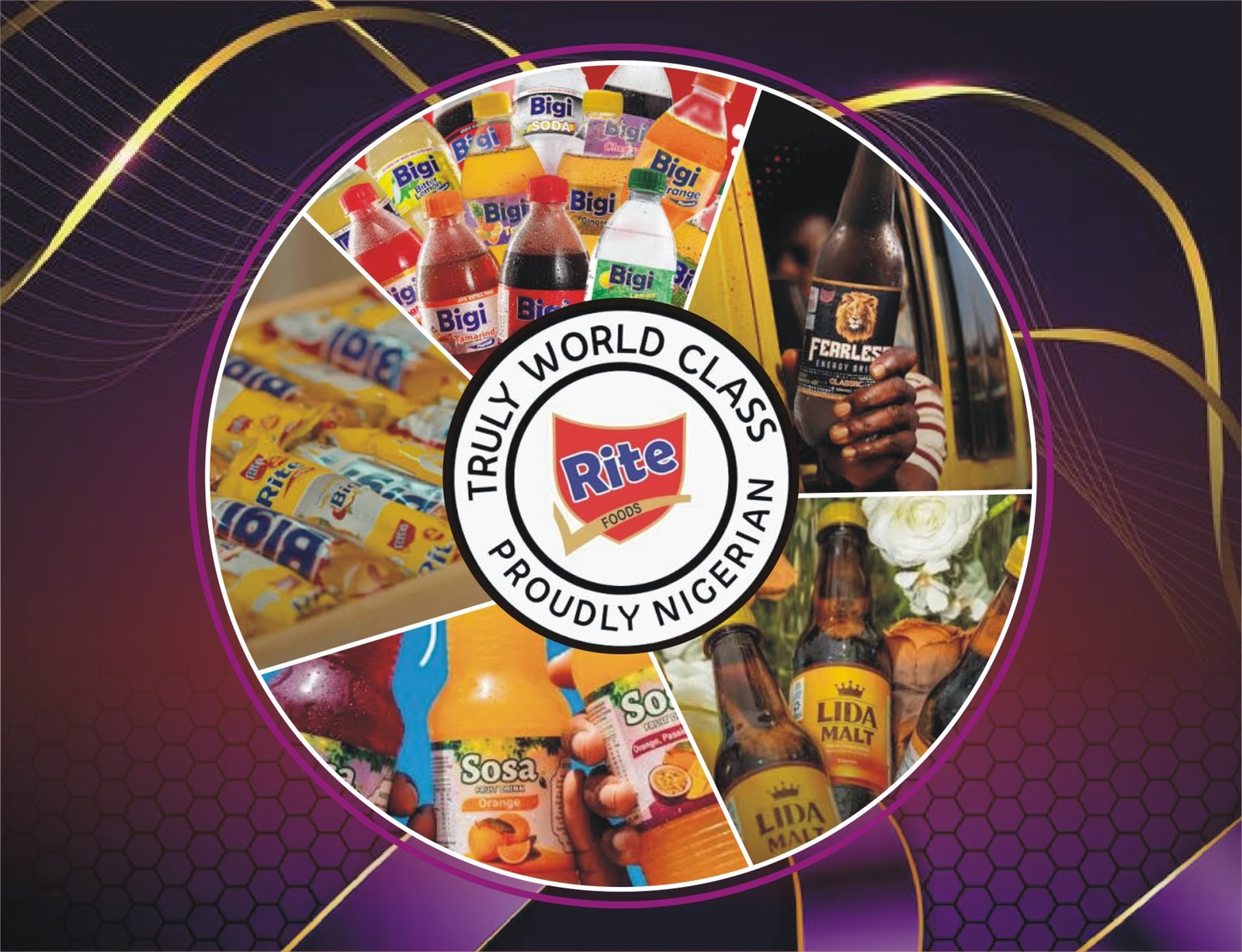
In the bustling markets, roadside stalls, school canteens, and family gatherings across Nigeria, certain brands have become part of the everyday rhythm of life. A chilled Bigi, a Fearless energy drink powering a long day, a spicy Rite or Bigi sausage roll shared among friends, a thirst-quencher Sosa fruit drink or the newly launched LIDA Malt—these products carry a story far richer than their packaging suggests. They represent one of the most remarkable business reinventions in modern Nigerian enterprise: the journey of Rite Foods Limited from the world of photography to a leading force in the country’s food and beverage industry.
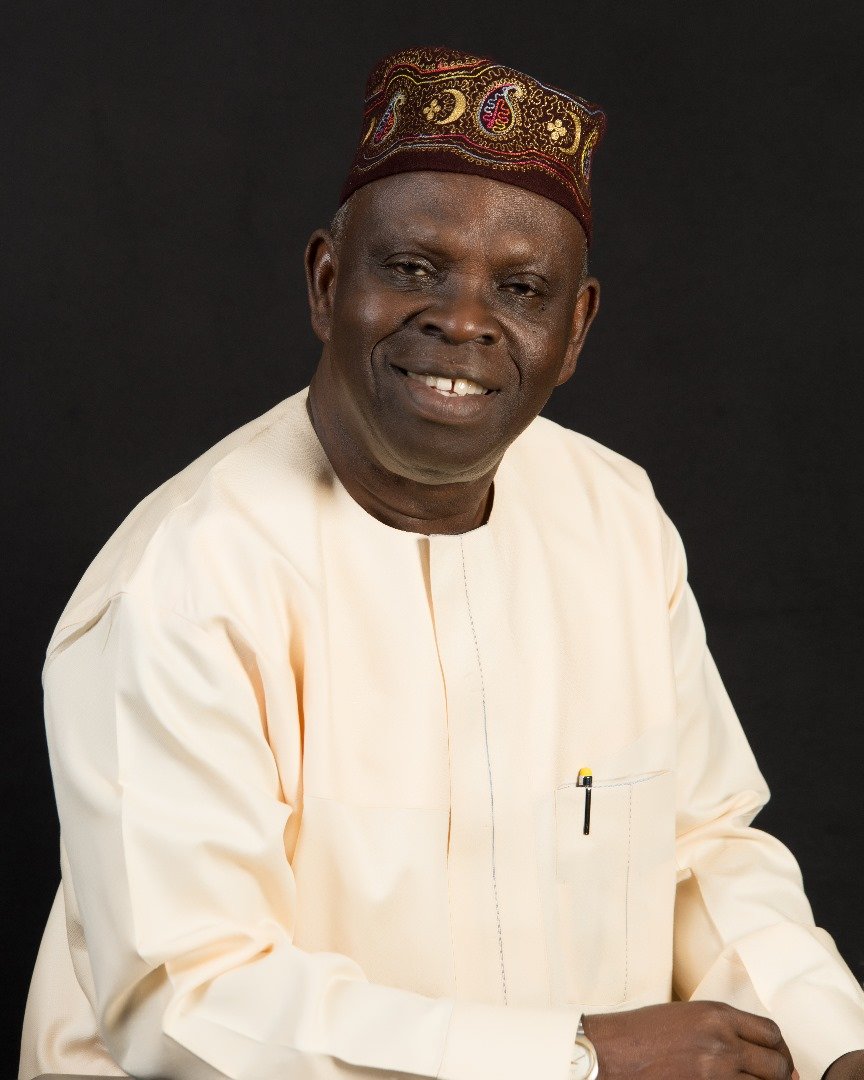
Rite Foods Limited was born 19 years ago (2007) as a subsidiary of Ess-Ay Holdings Limited, a group with deep roots dating back to 1963. Under the visionary leadership of Alhaji (Dr.) Adebola Adegunwa, Ess-Ay Holdings had built a dominant photography empire through companies such as Fototek Industries Limited and Photo Palace Limited. For decades, the group controlled a major share of Nigeria’s and West Africa’s photographic market, distributing AGFA materials and operating one of the largest colour photo labs in the region. Then digital photography arrived and fundamentally disrupted the industry. Rather than fade, the group pivoted with characteristic boldness into Fast-Moving Consumer Goods. What began as a diversification strategy has grown into a proudly Nigerian, truly world-class company that now challenges established multinationals and delights millions of consumers daily.
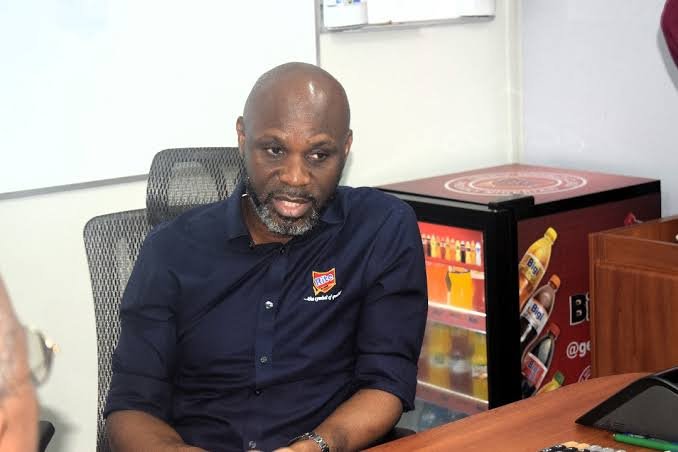
Today, under the leadership of Managing Director and CEO Seleem Adegunwa, Rite Foods stands as a testament to local ingenuity, consumer insight, and long-term vision. Its story is not merely one of corporate growth; it is a narrative of adaptation, quality obsession, and deep investment in the Nigerian people who buy its products and the communities that host its operations.
From Fototek to Rite Foods
The foundations of Rite Foods rest on the commercial discipline and scale that Ess-Ay Holdings mastered in photography. For more than four decades, the group operated at the highest levels of a competitive, technology-driven industry, serving customers across 60 Nigeria cities and several West African countries.
When digital cameras and smartphones began eroding the traditional film and print business in the mid-2000s, the leadership did not retreat. Instead, they channeled the same entrepreneurial energy into a new sector where demand was rising and local production capacity was still limited.
Incorporated in December 2007 and commencing operations in early 2008, Rite Foods started modestly on the ground floor of Adebola House on Opebi Road in Ikeja, Lagos. The first product, the Rite Sausage Roll, was launched after securing NAFDAC registration. It was aimed particularly at young consumers in schools and quickly gained traction. The transition was deliberate: the group brought its culture of quality, brand-building, and nationwide distribution mindset from photography into snacks and, later, beverages. What looked like a risky leap at the time has proven to be one of the shrewdest strategic moves in Nigerian business history.
The Transition from Photography to Food and Beverage
The shift was driven by necessity and opportunity. Digital photography had fundamentally changed consumer behaviour and the economics of the photo lab business. At the same time, Nigeria’s growing population, urbanisation, and rising demand for convenient, affordable, high-quality packaged foods and drinks presented a clear opening. Seleem Adegunwa has often spoken of the “lion mentality” required to enter a market dominated by multinationals and established local players. The company entered with innovation and focus, starting with sausage rolls—a category with room for innovation—before expanding into carbonated soft drinks, energy drinks, fruit drinks, water, and most recently malt.
The transition was not merely product diversification; it required building entirely new capabilities in food safety, large-scale manufacturing, cold-chain logistics, and consumer marketing.
The group invested heavily, eventually constructing a major production hub in Ososa, Ogun State. By the mid-2010s, Rite Foods had evolved from a sausage-roll producer into a multi-category FMCG player capable of competing on quality, price, and availability.
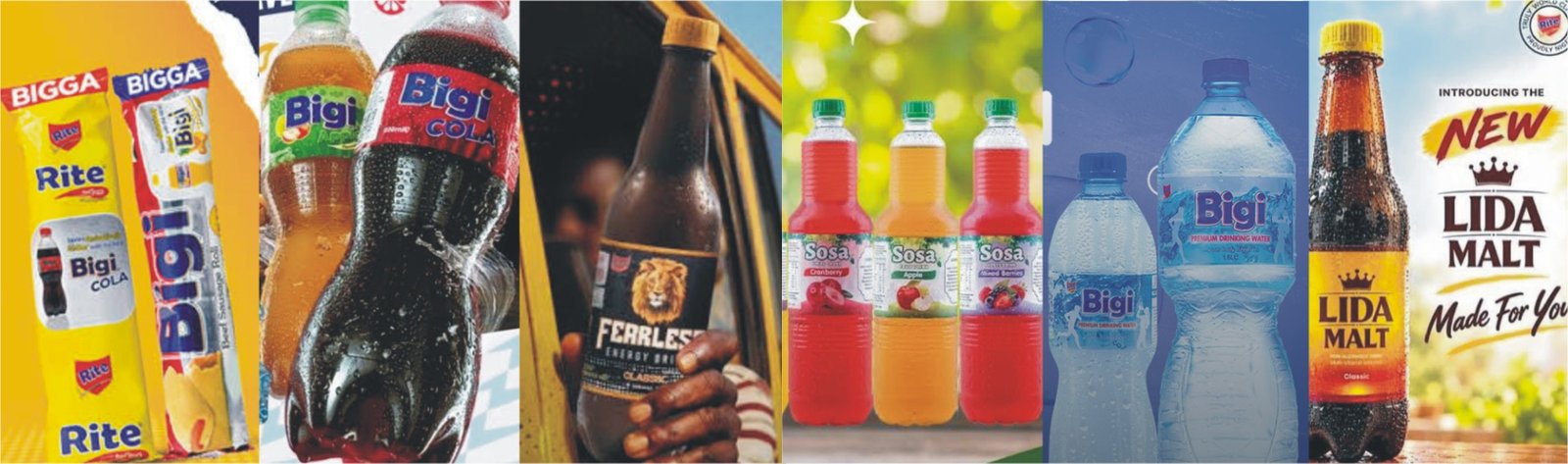
From Sausage Rolls to Beverage Drinks to Energy Drink to Lida Malt
The product journey maps the company’s growing ambition and market understanding.
2008: Rite Sausage Roll launches and finds a loyal following.
2010: Bigi Beef Sausage Roll expands the range.
2011: Rite Spicy Beef arrives and becomes a distinctive, category-defining product that still leads in its segment.
2016: Bigi Soft Drinks enter the market with an initial six flavours at a competitive price point during a difficult economic period, rapidly building volume and brand recognition. The range has since grown to 13 variants, including Bigi Cola (Mr. Cool), Bigi Apple (Show Stopper), Bigi Orange (Fab One), Bigi Chapman (Sharp Man), Bigi Tropical (Adventurer), Bigi Lemon & Lime (The Twin), Bigi Bitter Lemon (Wise One), Bigi Soda Water (The Difference), Bigi Cherry Cola: A twist on classic cola infused with cherry, Bigi Ginger Ale (Mild One), Bigi Ginger Lemon (Double Team), Bigi Tamarind (Legend) and Bigi Cola Zero Sugar.
2017: Fearless Energy Drink launches in Classic and Red Berry flavours, later expanding into cans.
Additional offerings include Sosa Fruit Drinks and Bigi Premium Drinking Water.
2026: LIDA Malt Classic joins the portfolio, positioned as a non-alcoholic malt beverage “Made for You,” further broadening consumer choice.
Each expansion has been sequential and consumer-informed rather than scattershot. The company has consistently moved from a strong base into adjacent categories where it could deliver quality at accessible price points.
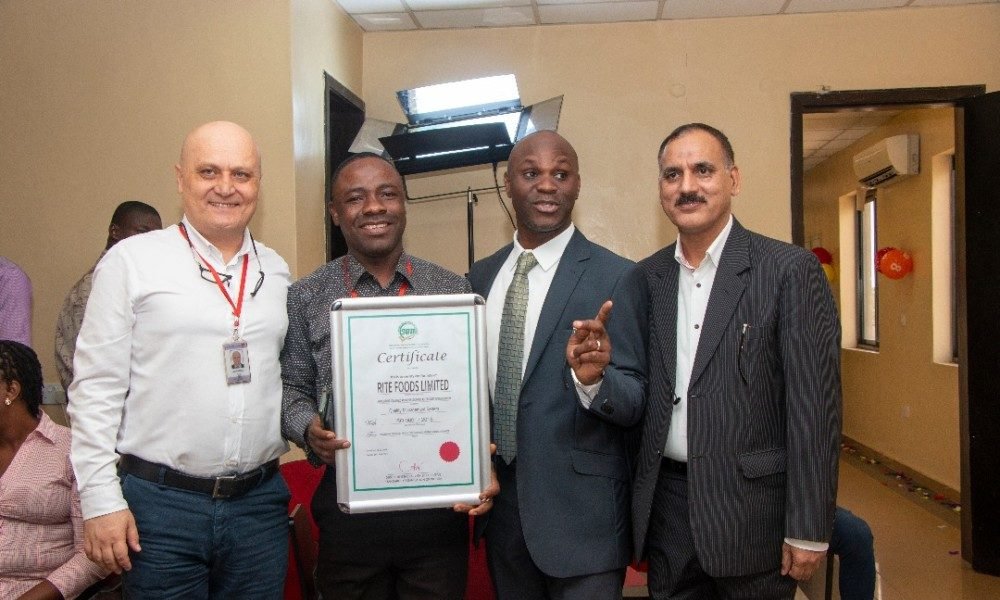
High Quality Consumer-Centric Products that Put Nigerian Consumer Behaviour into Consideration
Rite Foods’ success rests on a clear philosophy: understand how Nigerians actually live, work, celebrate, and spend. Products are formulated and packaged with local tastes, climate, and purchasing power in mind.
Sausage rolls come in variants that range from everyday economy options to bolder spicy and flexible formats.
Soft drinks offer flavours popular across different regions (Tamarind has strong northern appeal). Energy drinks are available in formats suited to on-the-go consumption. The recent LIDA Malt continues this approach of responding to evolving preferences for nourishing, everyday beverages.
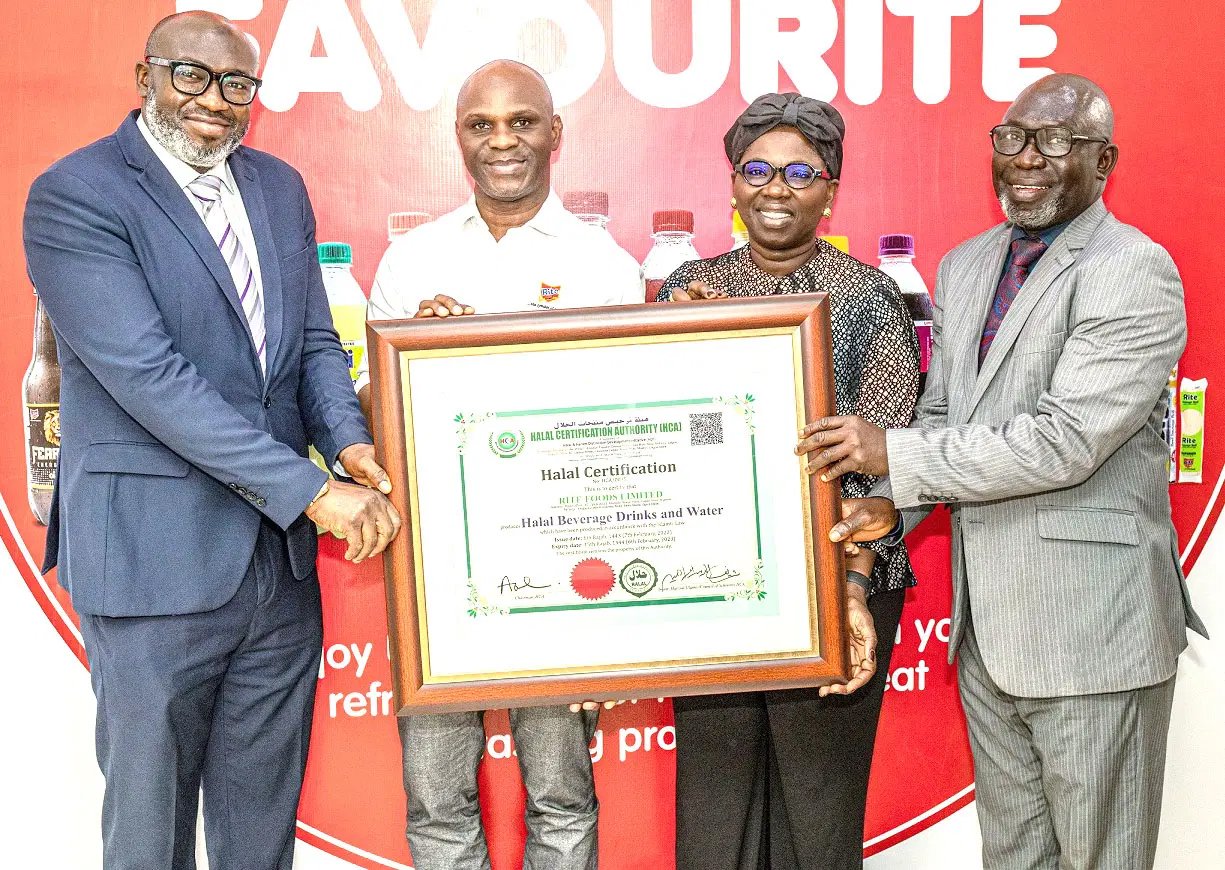
Quality and hygiene standards are non-negotiable. Production occurs under rigorous conditions, and the company has earned recognitions including Halal certification. The result is a portfolio that feels both aspirational and attainable—world-class standards delivered at prices and in formats that fit Nigerian realities.
Three interesting points are worthy of note. Energy drinks are perceived to be for the elites in Nigeria, but Fearless Energy Drink on introduction broke that myth and every Nigerian above the age of 18 have easy access to it and it was introduced in PET bottles unlike other brands that was canned. This gave consumers a different vibes and allows it to be consumed over a longer period of time. The second is Sosa which is a rich fruit drink that also comes in PET bottles. Sosa got its name from OSOSA, the product’s manufacturing town. The third is the pride in stamping the map of Nigeria boldly on Rite Foods products which tells the people that, great and quality products can be produced in Nigeria.
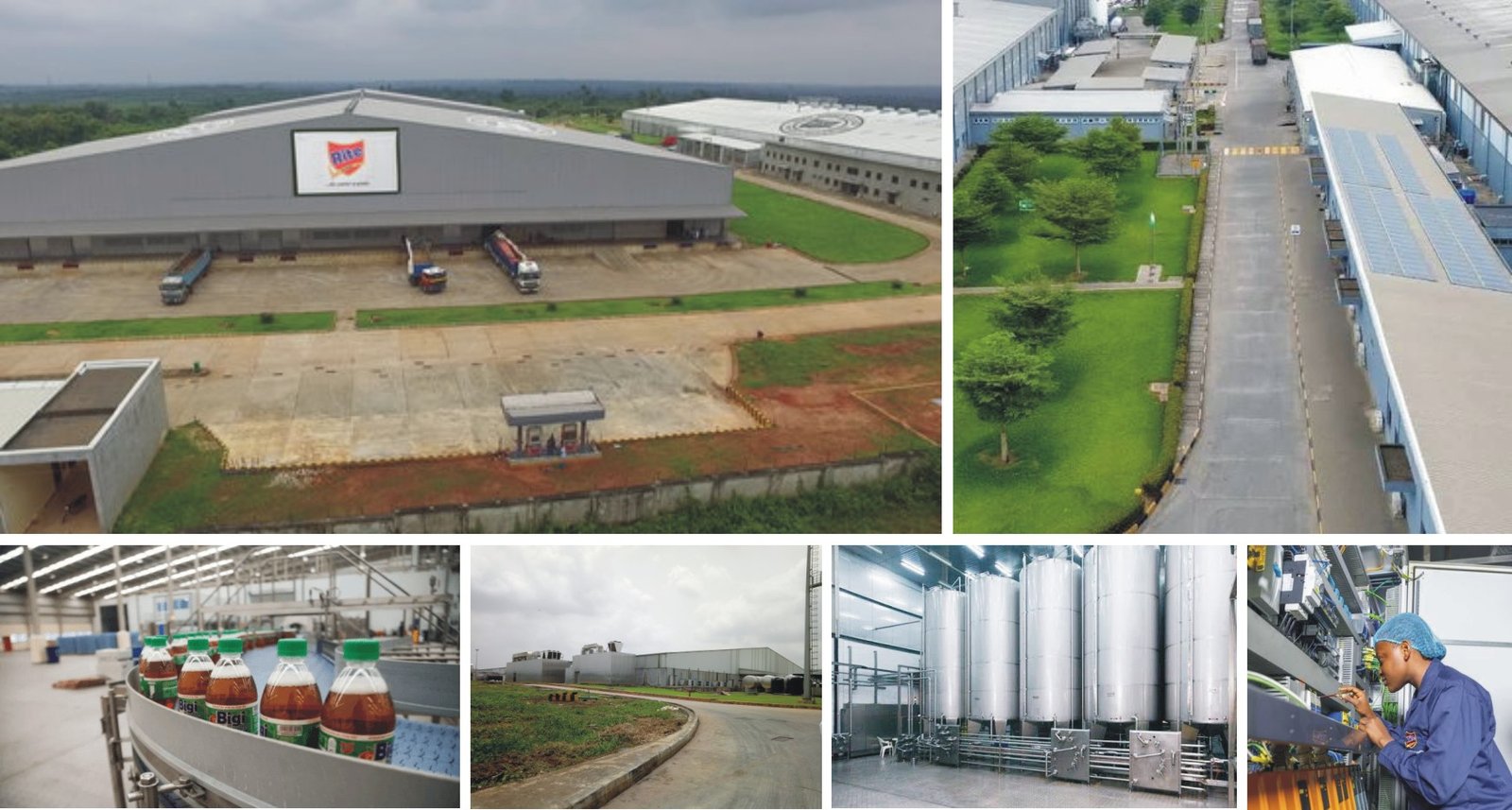
Modern World-Class Manufacturing Hub with Automated Machines and Independent Energy Mix
The physical heart of Rite Foods is its large, fully automated manufacturing complex in Ososa, along the Sagamu–Benin Expressway in Ogun State.
Construction of the beverage facility began around 2013 and was completed in 2015; sausage and beverage production now operate from this world-class site. The plant features advanced automated lines, modern packaging systems, and strict hygiene protocols. It ranks among the most sophisticated food and beverage facilities in West Africa.
Energy independence and sustainability are central to operations. The company relies on a hybrid energy mix dominated by natural gas and solar power (reported at approximately 93–95 percent of consumption in recent years), with diesel used only minimally. This approach reduces costs, improves reliability, and lowers the carbon footprint. Continuous investments in efficiency have delivered measurable gains in emissions intensity, water use, and waste management. The facility has hosted high-level visitors, including then-Acting President Yemi Osinbajo, underscoring its status as a showcase of Nigerian industrial capability.
Footprints Across Nigeria
From its Lagos headquarters and Ogun production base, Rite Foods has built a distribution network that reaches every state and the Federal Capital Territory. Products are available in hundreds of thousands of retail outlets—reports cite over 900,000 points of sale—supported by a robust system of distributors, transporters, and field teams. This extensive footprint ensures that whether a consumer is in Lagos, Kano, Port Harcourt, Enugu, or a smaller town, Rite Foods brands are within easy reach. The network also generates significant indirect employment and supports thousands of small retailers and transporters across the value chain.
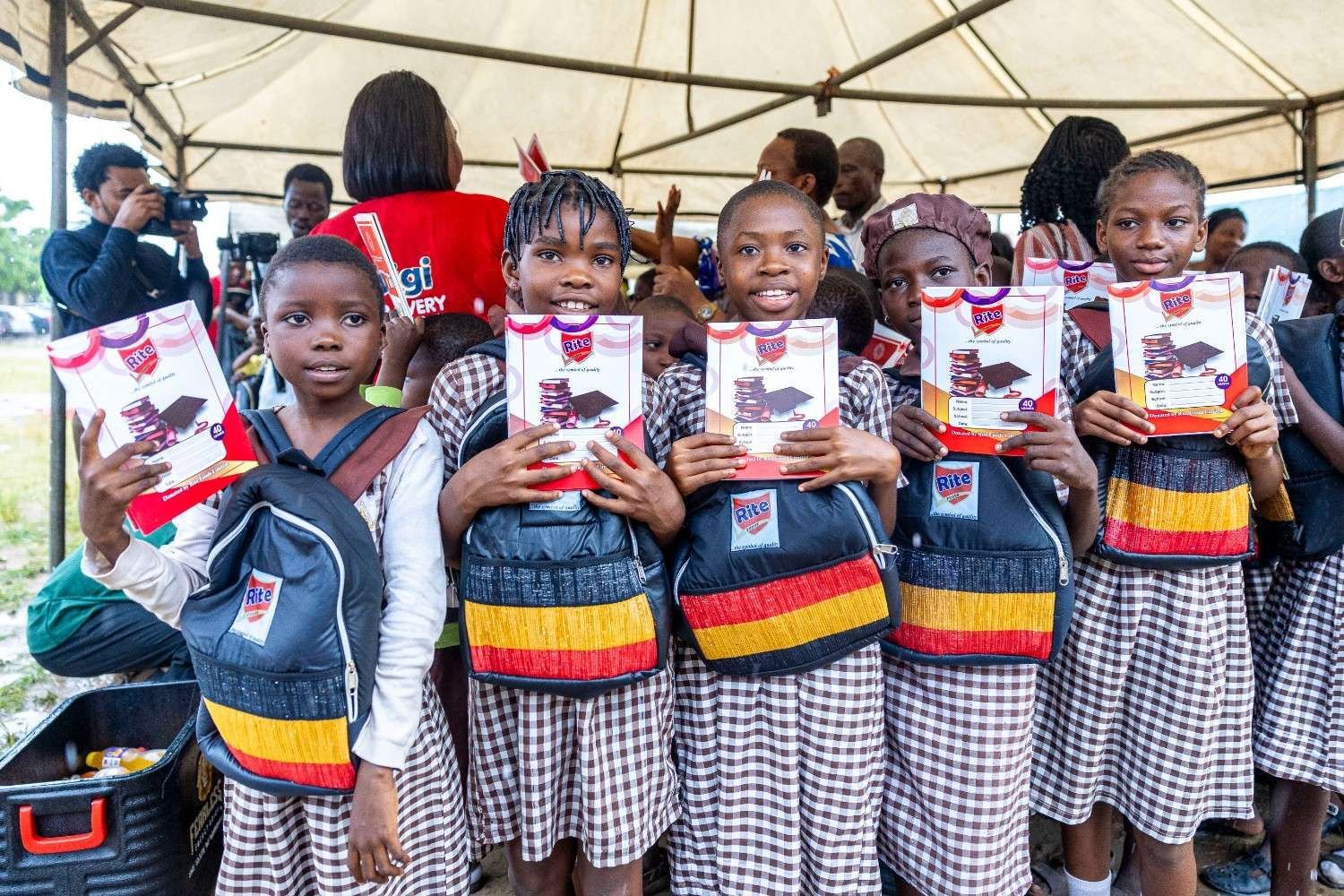
Community Impacts and Corporate Social Responsibility
Rite Foods frames its social investment through the EYEC sustainability framework: Education, Youth Empowerment, Environmental Stewardship, and Community Development. In 2025 the company significantly increased its CSR and sustainability spending to approximately ₦582 million. Initiatives include:
Recovery of hundreds of tons of plastic waste (in partnership with the Food and Beverage Recycling Alliance and through beach clean-ups), with recycled materials turned into school bags distributed to thousands of pupils.
Support for educational infrastructure and materials.
Contribution toward a trauma centre at Olabisi Onabanjo University Teaching Hospital in Sagamu.
An ICT learning centre in Ososa that serves hundreds of pupils and teachers daily, often with free meals.
Environmental education programmes in schools and community clean-up drives.
These efforts are not peripheral; they are integrated into the company’s identity as a business that grows with, and gives back to, the communities that sustain it.
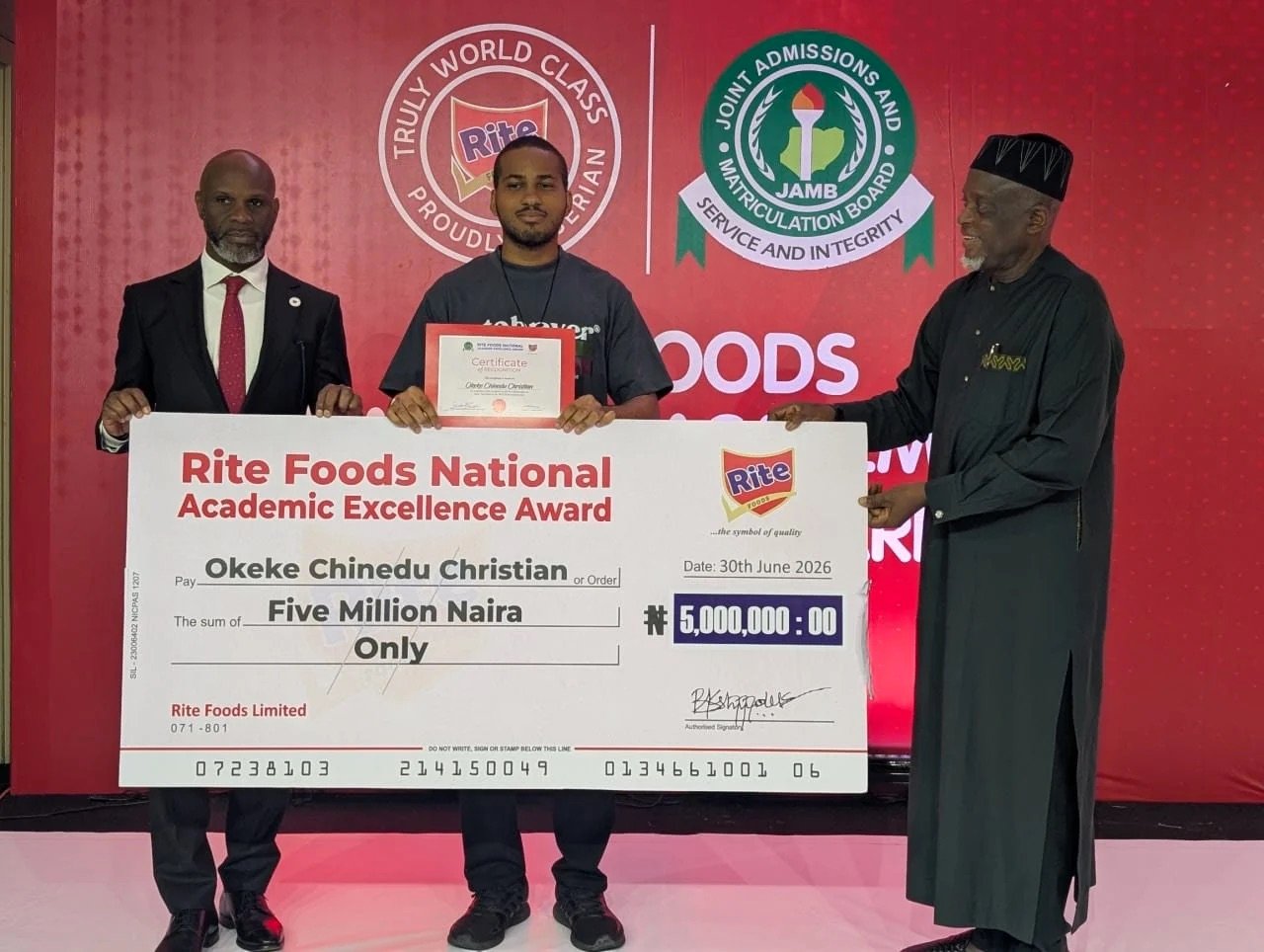
Youth Engagements
With a large proportion of Nigeria’s population under 30, Rite Foods places deliberate emphasis on young people.
Activities range from campus tours and talent competitions (including music and dance activations under Bigi and Fearless) to sponsorship of platforms such as Nigerian Idol, academic excellence awards in partnership with JAMB (rewarding outstanding UTME candidates), mentorship programmes for girls through partnerships like WIMBIZ Big Sister and Empower Her, environmental education in schools, and internal programmes for corps members and interns. The company views youth engagement as both brand-building and nation-building—creating platforms for creativity, skill development, and aspiration.
The Secret Ingredient — The Staff
Behind every sausage roll, every bottle of Bigi or Fearless, and every successful product launch are the people who make Rite Foods work.
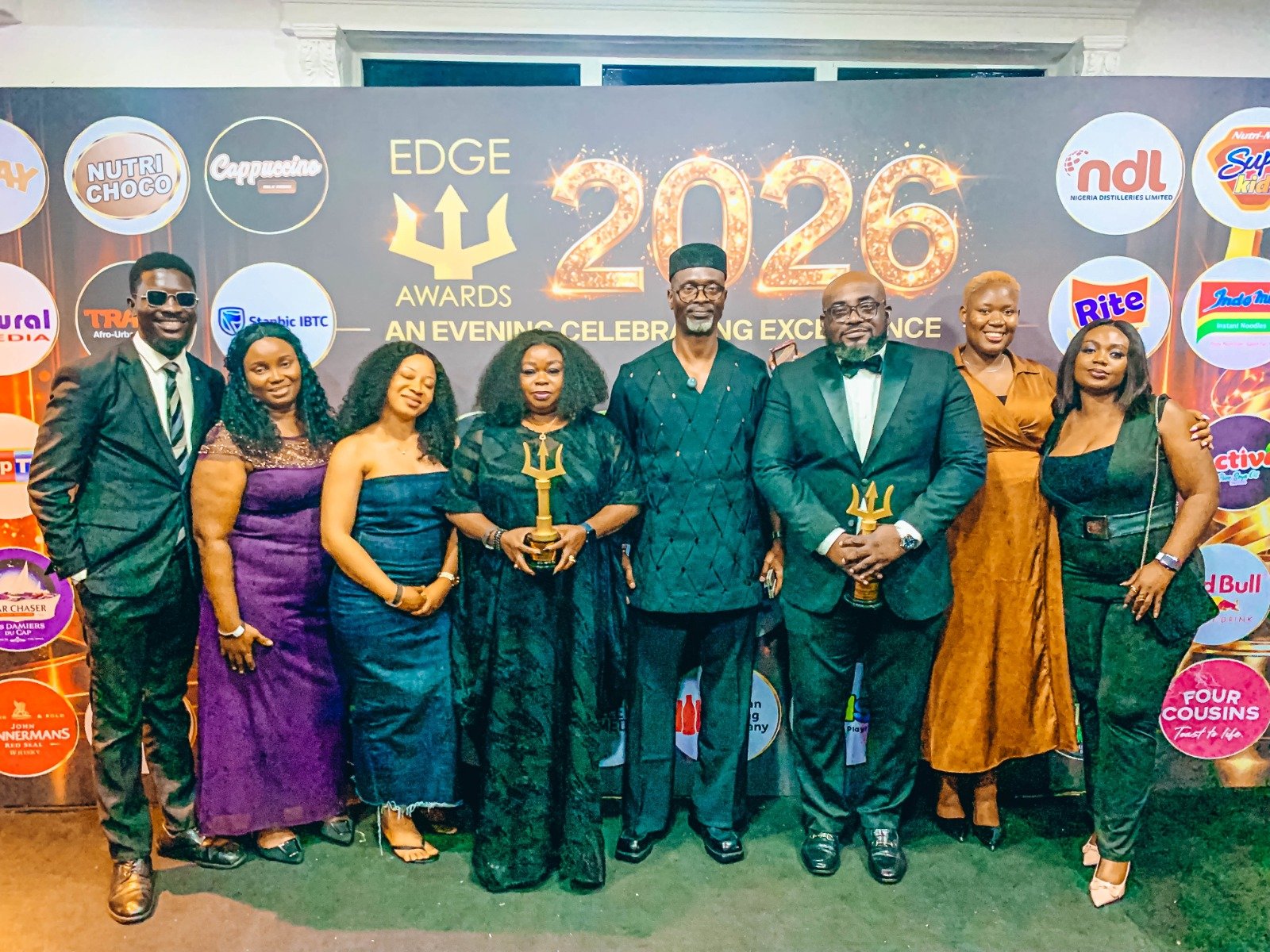
The company employs around 3,000 people directly and supports more than 12,000 indirect jobs through its supply chain and distribution network.
Leadership consistently describes the workforce as central to the company’s achievements. Investments in training (with significant year-on-year increases in training hours), staff welfare, inclusive culture, and recognition of contributions—whether on the factory floor, in sales territories, or in corporate offices—form part of the operating philosophy.
On Workers’ Day and other occasions, management publicly affirms that products and growth are only possible because of the dedication, innovation, and sense of ownership shown by employees. Core values of integrity, excellence, innovation, and accountability are reinforced as the foundation of the workplace culture. In a competitive industry, this human capital is repeatedly cited as a decisive advantage.
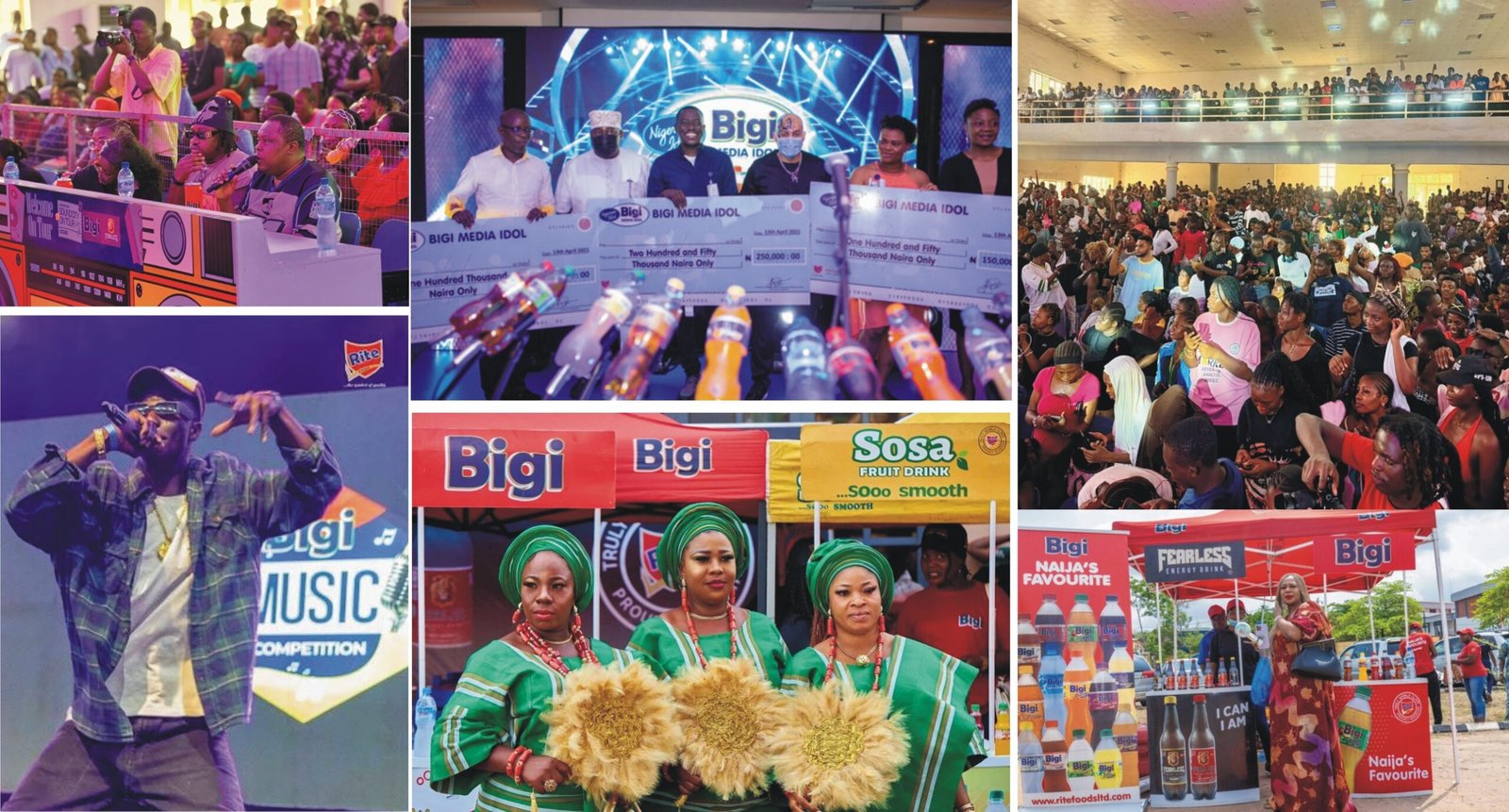
Events Sponsorships
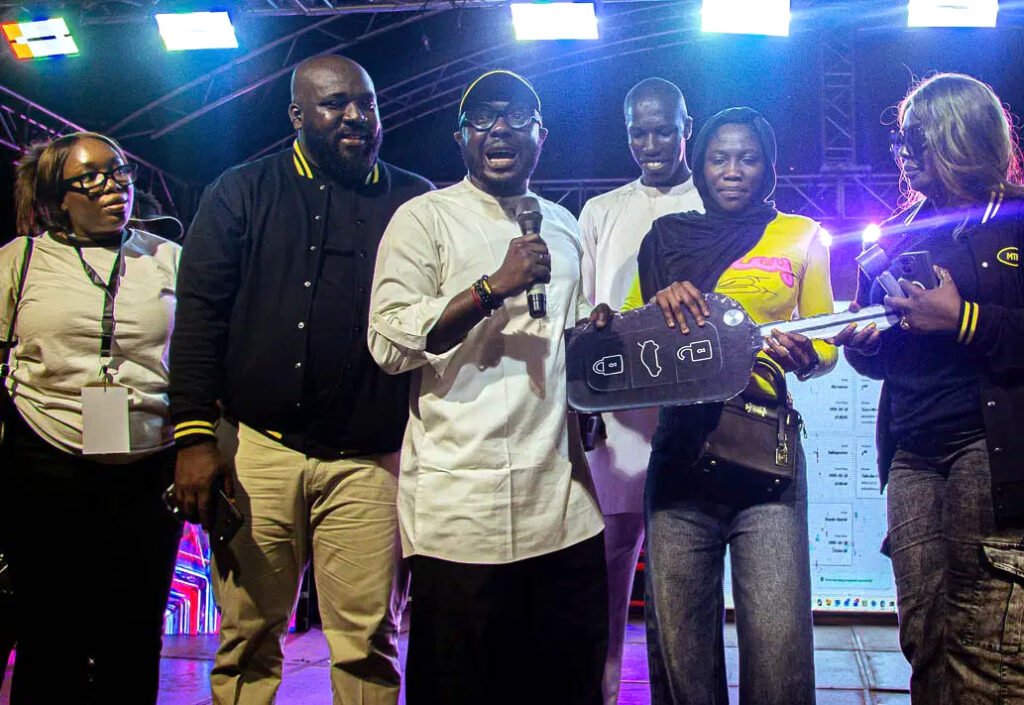
Rite Foods Limited actively powers sports, entertainment, and cultural events across Nigeria through key sponsorships such as Nigerian Idol, the Ijebu Heritage Half Marathon, TOR’Q Autofest, the Ojude Oba Festival, and the Souncity On Tour. Through these strategic partnerships, the brand promotes Nigerian talent, preserves cultural heritage, and drives youth empowerment nationwide.
Awards and Recognitions
Rite Foods Limited’s rapid rise has been matched by a growing list of industry accolades that affirm its quality, innovation, sustainability, and leadership. In recent years the company and its brands have collected multiple high-profile honours.
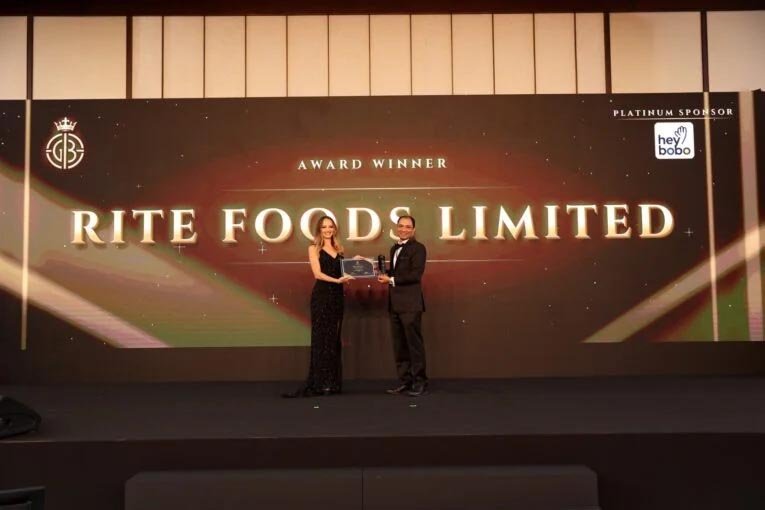
At the Independent Awards, Rite Foods was named Food Company of the Year 2024. The company has also performed strongly at the Marketing Edge Awards, securing Outstanding FMCG Corporate Brand of the Year and Outstanding FMCG Brand Entrepreneur of the Year for Managing Director Seleem Adegunwa in 2026, alongside earlier product recognitions such as Outstanding Carbonated Soft Drink Brand of the Year (Bigi Apple) and Outstanding Sausage Brand of the Decade (Bigi Beef Sausage Roll).
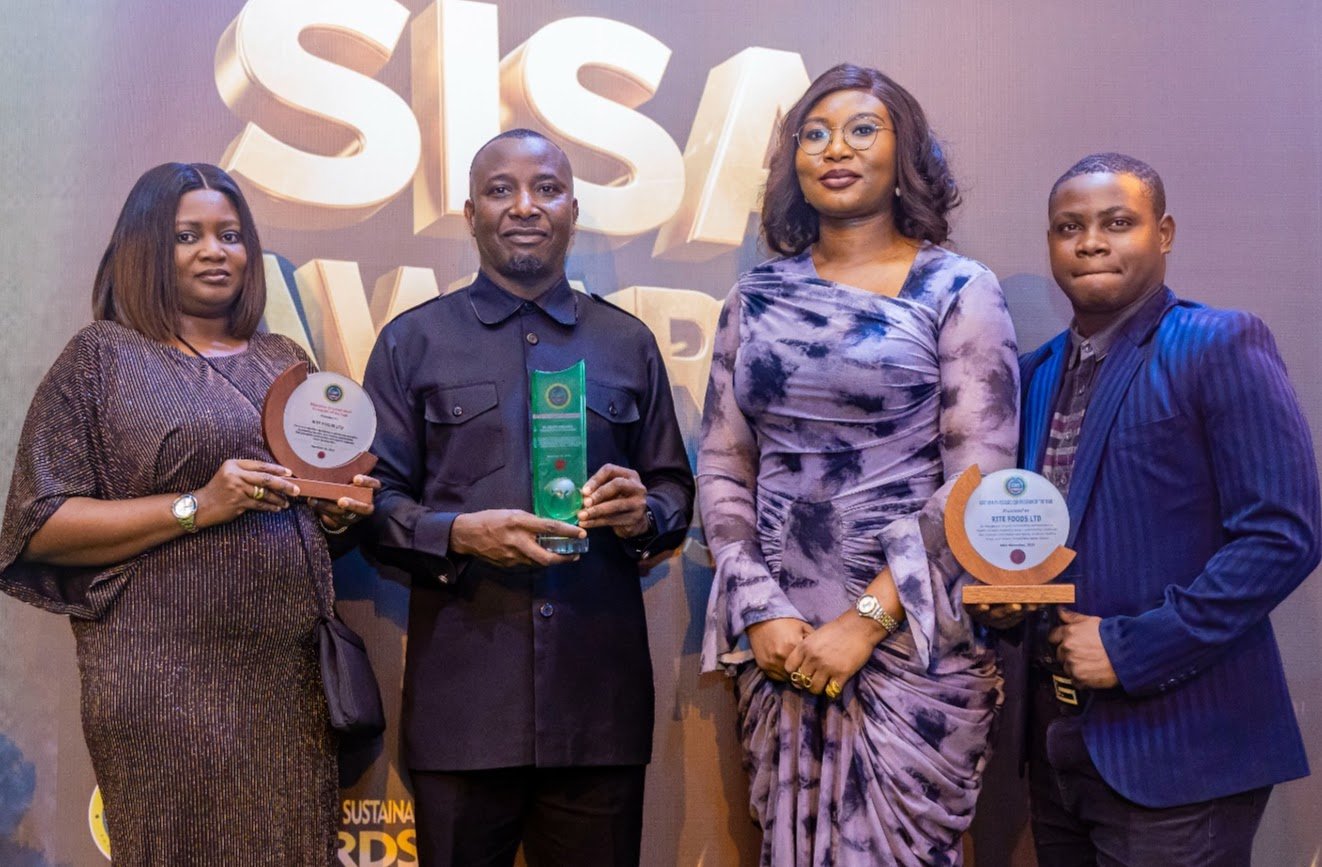
Sustainability and social impact have been equally recognised. In 2025 Rite Foods won four major awards at the Social Impact and Sustainability Awards (SISA) and the SERAS Africa Sustainability Awards, including Best Health-Focused CSR Programme of the Year, Education Empowerment Champion of the Year, CEO Champion of Corporate Responsibility, and Best in Supply Chain Management. In 2026 the company received further recognition at the National Sustainability Achievements Awards for sustainable manufacturing, product innovation, environmental stewardship, and responsible corporate leadership, including categories related to clean energy and carbonated drink formulation.
Seleem Adegunwa was named Industrialist of the Year 2025 by Vanguard Media Limited. The company has also been recognised as Best Food and Beverage Brand at the Global Brands Awards and has steadily climbed Nigeria’s Top 50 Brands ranking—from 50th in 2021 to 22nd in the most recent listing—while being named among Nigeria’s Top 50 Companies of Impact for 2026.
These awards collectively underscore Rite Foods’ dual commitment to commercial excellence and responsible corporate citizenship.
Conclusion
In less than two decades, Rite Foods Limited has rewritten the script for what a proudly Nigerian manufacturer can achieve. From the quiet floors of a photography conglomerate facing digital disruption to the humming automated lines of a world-class factory in Ososa, the company has turned adaptation into advantage and local insight into national preference.
Its brands now sit comfortably on shelves and in hands across all 36 states and the Federal Capital Territory, refreshing ordinary moments and powering ambition in equal measure.
Yet the true measure of Rite Foods is not found only in market share or award trophies. It lives in the thousands of direct and indirect jobs sustained, the school bags made from recycled packaging that travel on the backs of children, the young talents discovered on campus stages, the cleaner energy mix powering production, and the quiet confidence that Nigerian consumers can demand—and receive—world-class quality made at home.
As the company continues to innovate, expand its portfolio, and deepen its roots in the communities it serves, one truth becomes clearer with every bottle opened and every sausage shared: the future of Nigerian enterprise does not have to be imported. Sometimes it is baked, bottled, and distributed by a company that once developed photographs—and now develops possibilities. Proudly Nigerian. Truly world-class. And still only getting started.
Abiodun Caston-Dada is the publisher of ACADA Magazine, Nigeria’s longest-running and most consistent campus and youth magazine.