In Music, Talent Alone Doesn’t Guarantee Success
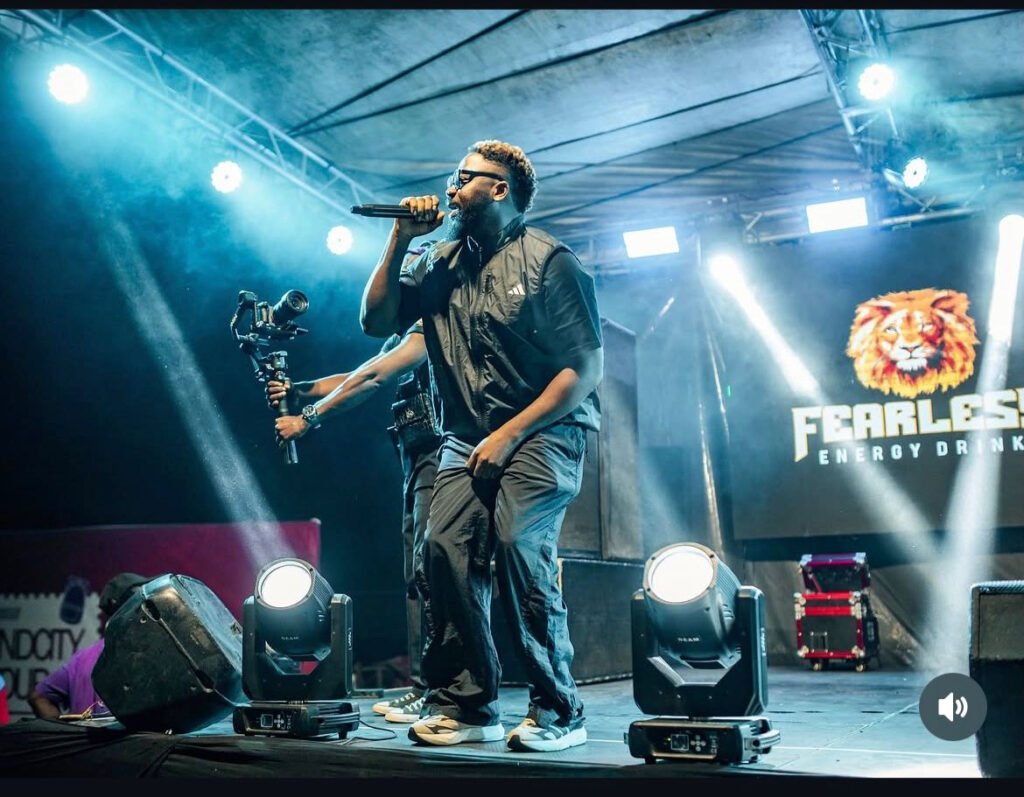
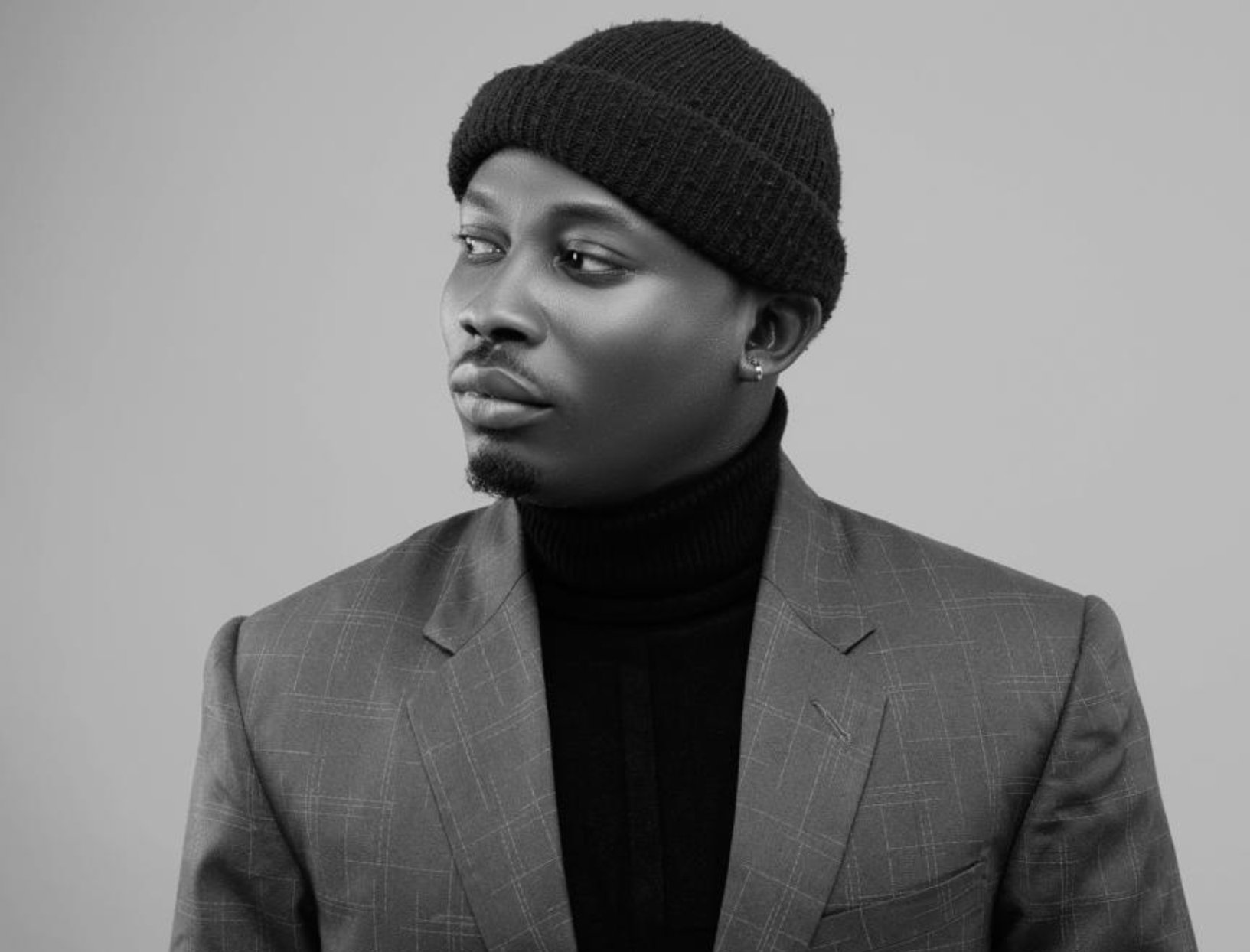
Oftentimes we only see many music stars pushing great numbers, selling out venues and traveling around the world living their dreams but we don’t usually notice or give due credits to some of the people who work so hard behind the scenes to make all these happen. One of such key players are the Talent Managers popularly known as Artiste Managers. In this exclusive interview, we caught up with one of the fast rising players in the Nigerian music industry, Olaleye Olanrewaju, popularly known in the industry as Larry. We discussed his foray into the entertainment industry, his work as an artiste manager and many other topical issues.
Thank you for agreeing to this interview, we are delighted to be chatting with you. Would you kick off by introducing yourself as if someone else would introduce you?
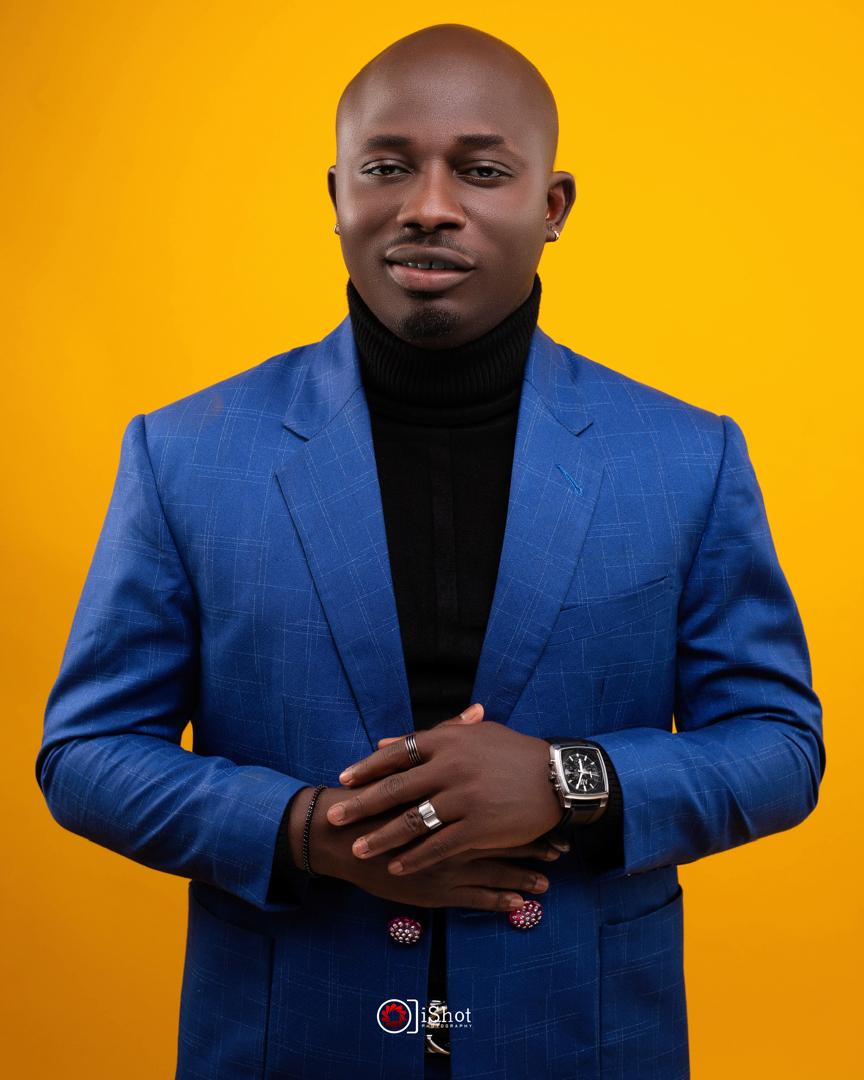
Olaleye Olanrewaju, widely known as Larry, is a respected artiste manager and the CEO of Talented People Group (TPG). He has worked with notable names like Ycee and Waje for Wildflower PR and manages talents such as DJ Enimoney and Beambo Taylor. He’s known for his strategic mindset and strong industry relationships.
What inspired you to take up artist management as a career?
I’ve always been passionate about talent development. Early on I think from my days at Olabisi Onabanjo University, O.O.U. days I realized I had a natural ability to identify potential and help people shape their creative direction. Seeing artistes grow musically, professionally, and personally — inspired me to build a career around guiding them.
What was your biggest failure, and what did you learn from the experience?
My biggest failure was assuming talent alone was enough to guarantee success. I learned that structure, consistency, and clear communication are just as important as creativity. That experience taught me to build systems, not just support talent emotionally.
What inspired you to pursue a career in the Entertainment industry and artist management?
My love for creativity and my interest in building systems that help talented people grow. The industry gives me the chance to connect talent with opportunities.
Can you tell us the role of an Artiste Manager in the music business?
An artiste manager is the bridge between the talent and the business side of the industry. My job is to guide the artist’s career, create opportunities, and help them make decisions that support long-term growth, a manager handles planning, scheduling, branding, communication, negotiations, and overall strategy.
We make sure the artist stays focused on creating great music while we coordinate everything else from connecting them with producers and promoters to building partnerships, managing relationships, and protecting their interests.
In simple terms, the manager is the artist’s backbone in the business world, ensuring that creativity and career direction work together.
What does your daily routine look like?
My day starts with checking messages, emails, and industry updates. I usually have meetings with artistes, producers, brand partners, or team members. Afternoons are for strategy, planning, and reviewing ongoing projects. Evenings often involve soccer, studio visits, events, or simply checking in with the talents I manage.
What’s one thing about your career that you didn’t expect?
I didn’t expect how much emotional intelligence the job requires. Managing artistes isn’t just business, it’s understanding personalities, pressure, and creative moods.
What’s a common myth about your job or field of expertise?
A big myth is that artiste managers “just follow artistes around.” The job is actually very strategic: planning releases, negotiating deals, managing teams, building relationships, and keeping everything running smoothly.
What’s the biggest challenge you’re facing in your career right now, and how are you tackling it?
The industry is growing fast, and talent expectations are rising. My challenge is balancing creativity with structure. I’m tackling it by building a stronger team and improving communication with every talent I work with.
What’s the most important lesson you’ve learned in your career so far?
Never assume anything. In this business, clarity is key — always confirm details, timelines, and expectations so everyone stays aligned. Treat Business as Business always.
In your opinion, what’s the most important strength or personality trait someone would need to be successful in your job?
Patience. Talent management requires long-term thinking, emotional balance, and the ability to stay calm during pressure.
How do you deal with Artiste’s excess and eccentricity?
First, I try to understand the root of the behavior. Then I communicate openly and respectfully. Setting boundaries, providing structure, and reminding them of our common goals usually helps.
Who has been your most important professional mentor?
I’ve had several mentors, from senior colleagues in the entertainment space to business professionals outside the industry. They’ve helped me stay grounded and focused.
What’s one lesson your job has taught you that you think everyone should learn at some point in their life?
Not everything needs a reaction. Sometimes stepping back, thinking, and responding calmly creates better results than reacting immediately.
How much time do you spend on social media each day?
I spend a few hours daily, mostly for work, updates, and monitoring industry trends.
Is there anything you wish you could change about the social media world?
I wish there was more focus on real talent and creativity rather than trends or clout-driven content.
What is your dream project?
Building a fully structured talent development academy and expanding TPG into a global entertainment hub. To also build an African-owned distribution and touring company that can take an artist from Ajegunle to Madison Square Garden without owing any oyinbo 360.
What do you feel is the most important skill and knowledge to have as an entrepreneur and entertainment show promoter?
Understanding people. Whether it’s artists, fans, or brands, success depends on knowing what people want and how to serve them professionally.
Can you describe a time when you had to deal with a difficult situation, artiste or conflict, and how did you resolve it?
There have been moments when artistes disagreed with timelines, fees or decisions. I resolved such situations with honest conversations, data-backed explanations, and by finding a middle ground that benefits everyone.
What qualities do you think make a successful Artiste Manager in the Entertainment industry?
Patience, communication skills, honesty, problem-solving, and the ability to stay consistent even when things get tough.
How do you stay up to date with industry news and current events?
I follow music platforms, industry blogs, professional communities, and attend events and conferences whenever possible.
What are your long-term professional goals within the Entertainment industry, and how does your being an artiste manager fit into those goals?
My long-term goal is to expand TPG into a global management and entertainment company, one that discovers and develops talent across Africa and beyond.
How do you envision the future of the Entertainment industry, and how do you plan to adapt your role accordingly?
The future will be more digital, more global, and more independent. I plan to adapt by embracing technology, data, and global partnerships.
Can you tell us some of the artistes you’ve worked with?
I’ve worked with artists like Ycee, Waje (for Wildflower PR) and managed talents such as DJ Enimoney and Beambo Taylor.
Can you share with us the weirdest thing an artiste has ever done to you in this music business?
Artistes can be spontaneous, but I prefer not to call anything “weird.” That particular experience changed my understanding but then it’s part of the learning process.
What advice do you have for young people out there who want to take up music promotions as a career?
Start small, stay consistent, build relationships, and learn the business side, not just the hype. Focus on adding value.
What’s one question you wish I’d asked you, and how would you have answered?
One question I wish you asked?
“Larry, when you finally make it big-big, wetin you go do?”
My answer: Build a free studio and mentorship hub for the grassroots for the next set of kids wey no get money but get talent. Full circle.